01
Emergency Call
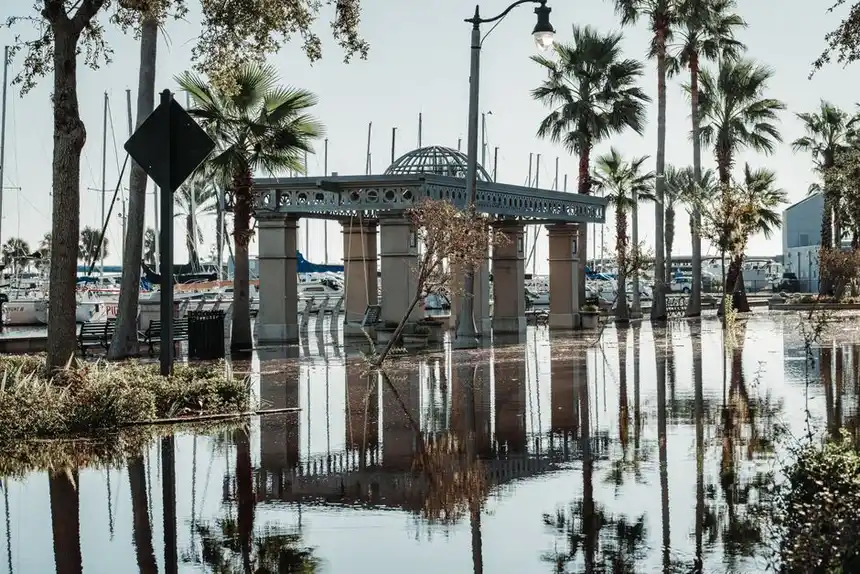
You call, we answer. A dispatcher collects your address, the source of water if known, and whether power is safe to use. We give you an arrival window, typically 60 to 90 minutes, and tell you what to do while you wait: shut off the breaker to flooded areas if safe, move valuables up, and don't wade through standing water near outlets.
02
Inspection and Assessment
On arrival, a lead technician walks the structure with a moisture meter and thermal imaging camera to map water migration. We check basements, crawl spaces, wall cavities, and attics. You get a written scope of work and an upfront price before we start extraction. No surprises, no hourly billing games.
03
Water Extraction
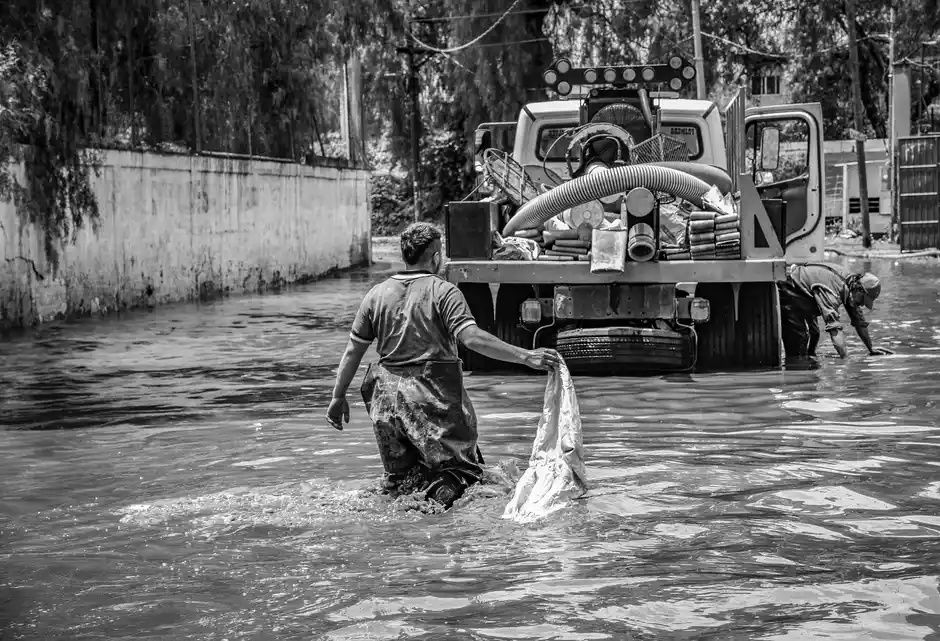
We deploy truck-mounted water extractors for high-volume standing water and portable extraction units for tight spaces like closets and under cabinets. Submersible sump pumps handle basement flooding and crawl space standing water. A typical 1,200-square-foot flooded basement takes 2 to 4 hours to extract.
04
Drying and Dehumidification
After extraction, we position industrial air movers and commercial dehumidifiers to dry framing, subfloor, and insulation. Desiccant dehumidifiers handle humid Arkansas summers when standard refrigerant units can't keep up. We monitor with moisture meters daily and adjust equipment until readings hit dry standard, usually 3 to 5 days.
05
Final Walkthrough
Once dry, we do a final moisture survey, remove equipment, and provide a completion report with before-and-after readings. If repairs are needed, like replacing saturated drywall or reinstalling pipe insulation, we document those too. You get a clear picture of what was wet, what's dry, and what's next.