Statewide extraction, drying, and moisture control for Arkansas homes

Crawl Space Water Removal in Arkansas Done Right the First Time

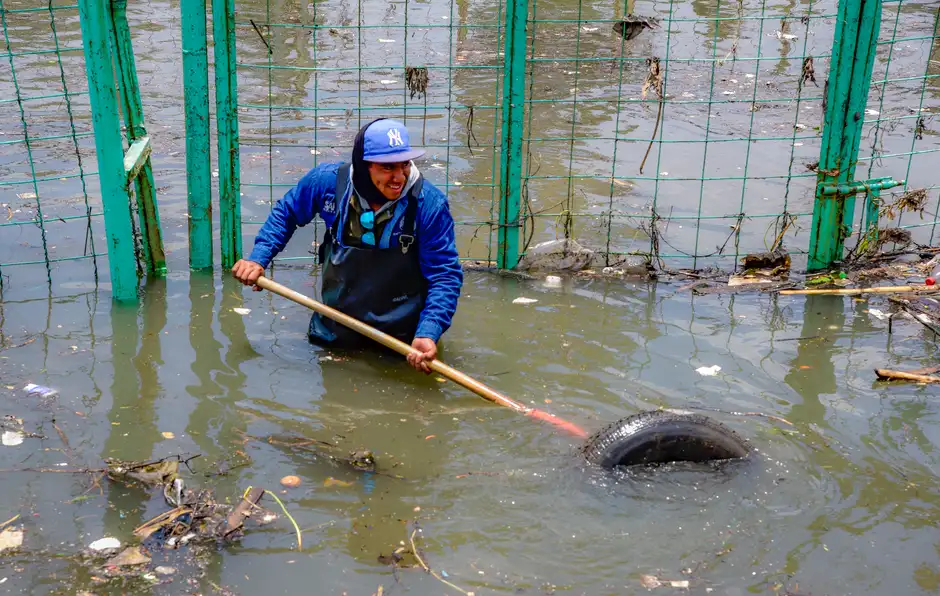
Crawl Space Water Removal in Arkansas means getting standing water out of the space under your house, drying the joists and insulation, and stopping the moisture that keeps coming back. AR Water Remover Pros handles crawl space water extraction for homeowners from the Delta to the Ozarks, 24/7. If your crawl space is holding water right now, call (833) 640-1438 and we will get a crew moving.

↗
Fast online booking

Request service today

Tell us what is happening. Our local team will confirm your visit shortly.

No spam. No obligation. Just practical help.
Thanks — we'll call shortly to confirm your visit.
AR Water Remover Pros — Water Removal you can rely on
Careful work. Honest options.
About this service

What Crawl Space Water Removal in Arkansas Actually Involves

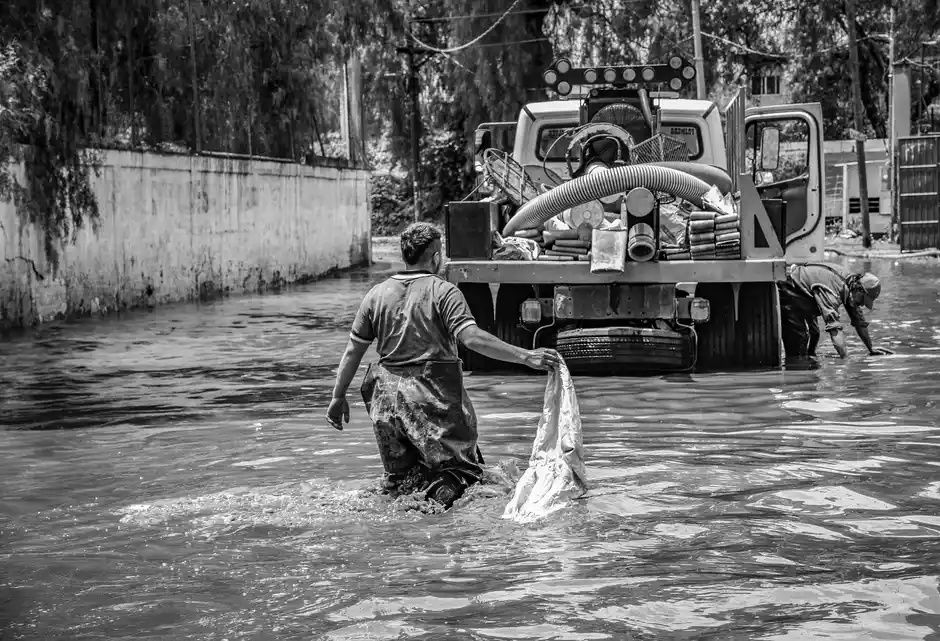
Crawl Space Water Removal in Arkansas is the process of extracting standing water from under a home, drying the structure with commercial equipment, and correcting the source so the space stays dry. We start with a moisture meter and thermal imaging camera to map how far the water has spread, then pull it out with a truck-mounted water extractor or a submersible sump pump when the volume is heavy. From there we dry the joists, subfloor, and piers with industrial air movers and commercial dehumidifiers until readings match a dry standard.

Arkansas crawl space water extraction is not a one-time pump-and-go job. Most of the water we pull comes from hydrostatic pressure seepage, storm water intrusion, or a sump pump failure during a heavy spring rain. Left alone, that moisture feeds mold growth from moisture within 24 to 48 hours and starts rotting floor framing. We follow the ANSI/IICRC S500 Standard on every job, which is why our crews carry IICRC WRT and ASD certifications and treat crawl space flood cleanup Arkansas homeowners call about as a structural drying project, not just a pump-out.

  • ✓ Dry Space in 24-72 Hours
  • ✓ Stops Repeat Flooding
  • ✓ Protects Floor Framing
  • ✓ Handles Insurance Paperwork
What's included

What Our Crawl Space Water Removal Service Includes

Every crawl space water extraction job includes the core work: inspection, extraction, drying, and documentation. Some jobs need more, like mold treatment or a new sump pump. We tell you what is needed before we start, and you get a straight price.

✓

Full Crawl Space Inspection

We crawl the space with a moisture meter and thermal imaging camera to find all the water and map how far it has spread. This takes 20 to 40 minutes and tells us exactly what we are dealing with before any equipment comes off the truck.

✓

Standing Water Extraction

We pull standing water out with a truck-mounted water extractor for large volumes or a portable extraction unit for tight spots. If the source is a failed sump pump, we address that too, including checking or replacing the float switch.

✓

Structural Drying

Industrial air movers and commercial dehumidifiers run until the wood and concrete hit dry standard. We monitor moisture readings daily and adjust equipment placement. Most jobs dry in 24 to 72 hours depending on how wet the framing is.

✓

Antimicrobial Treatment

Any area that was wet more than 24 hours gets treated with antimicrobial solution. If mold growth from moisture is already present, we set up containment and air scrubbers before treatment so spores do not spread to the rest of the house.

✓

Moisture Verification

We take final moisture readings and photograph the dry space. You get documentation showing before and after readings, which is useful for insurance claims and for your own records. We do not pull equipment until the numbers say the job is done.

How it works

How Our Crawl Space Water Removal Process Works

01

Call and Assess

You call (833) 640-1438 and describe what you are seeing. We ask about the water source, how long it has been there, and whether the power is on. A crew is dispatched, often same-day, and we confirm the scope before any equipment comes off the truck.

02

Inspect and Map

We crawl the space with a moisture meter and thermal imaging camera to find where the water is and how far it has wicked into the framing. This takes 20 to 40 minutes on a typical Arkansas home and tells us whether we are dealing with a simple pump-out or a full structural drying job.

03

Extract the Water

Standing water comes out first. We use a truck-mounted water extractor for large volumes and a portable extraction unit or wet/dry vacuum for tight corners. If the source is a failed sump pump, we swap in a Wayne Pumps or Zoeller unit and check the float switch before we leave.

04

Dry and Treat

Industrial air movers and commercial dehumidifiers run until the wood and concrete hit dry standard, usually 24 to 72 hours. We apply antimicrobial solution to any area that was wet more than a day, and we set up containment if mold growth from moisture is already present.

05

Verify and Prevent

We take final moisture readings, photograph the dry space, and walk you through what caused the water and how to keep it from coming back. That may mean a vapor barrier, drain tile, or a sump pump float switch replacement. You get the documentation in writing.

Tools & methods

Equipment and Methods We Use

Purpose-built equipment, used by trained technicians — so the job is done accurately the first time.

Truck-Mounted Water Extractor

Pulls large volumes of standing water out of a crawl space fast. This is the first piece of equipment on the job when there is significant water.

Portable Extraction Unit

Gets into tight corners and low-clearance areas where the truck-mounted unit cannot reach. We also use a wet/dry vacuum for small pockets of water.

Submersible Sump Pump

Used when water is too deep to extract quickly with a wand. We carry Wayne Pumps and Zoeller units for replacement when the existing pump has failed.

Industrial Air Mover

Moves air across wet framing and concrete to speed evaporation. We position these based on the moisture map, not just where there is floor space.

Commercial Dehumidifier

Pulls moisture out of the air so the space can actually dry. We use Dri-Eaz and Phoenix Restoration Equipment units, and we monitor them daily.

Moisture Meter and Thermal Imaging Camera

Tells us where the water is and how far it has spread. We use these before, during, and after drying to confirm the space has hit dry standard.

Hydrostatic Pressure Tester

Confirms whether water is pushing through the foundation from outside. This is how we tell the difference between seepage and a plumbing leak.

Real results

Before and after.

Flooded Crawl Space in North Little Rock

Before

A spring storm dropped three inches of rain in two hours, and the sump pump failed. The crawl space had about two inches of standing water covering 800 square feet. The homeowner noticed a musty smell inside the house two days later.

After

We extracted the water with a truck-mounted extractor, replaced the failed pump with a Zoeller unit, and ran industrial air movers and commercial dehumidifiers for 48 hours. Final moisture readings showed the framing at dry standard. The musty smell was gone within a week.

Hydrostatic Seepage in Brinkley

Before

A homeowner in Brinkley had water in the crawl space every time it rained. The concrete block walls were damp year-round, and the insulation was sagging. A moisture meter showed the joists at 28 percent moisture content.

After

We extracted the standing water, removed the ruined insulation, and dried the framing to 12 percent moisture content over three days. We installed drain tile along the foundation and a polyethylene vapor barrier. The space has stayed dry through two spring storm seasons.

Burst Pipe in Ozark

Before

A pipe froze and burst under a pier-and-beam home in Ozark during a January cold snap. Water ran into the crawl space for hours before the homeowner noticed. About 400 square feet of the crawl space was flooded, and the subfloor was soaked.

After

We shut off the water, extracted the standing water, and dried the subfloor and joists over two days. We insulated the pipe with heat tape and pipe insulation. Final moisture readings confirmed the framing was dry, and the homeowner avoided subfloor replacement.

Problems we solve

Crawl Space Water Problems We Solve in Arkansas

Most crawl space water problems in Arkansas come down to a handful of causes. We diagnose the source first, then fix it. Here are the issues we see most often and what happens if they are ignored.

Ask a pro →
01

Standing water under the house after storms

We extract the water with a truck-mounted extractor, dry the framing with industrial air movers and commercial dehumidifiers, and check the grading and drainage to see why water is getting in. If drain tile is needed, we tell you.

↗
02

Sump pump failure during heavy rain

We replace the failed pump with a Wayne Pumps or Zoeller unit, test the float switch, and extract any water that got in. Then we dry the space to standard. We also show you how to test the pump yourself each spring.

↗
03

Hydrostatic pressure seepage through the foundation

We use a hydrostatic pressure tester to confirm the source, then recommend drain tile, a vapor barrier, or waterproof sealant depending on the situation. Extraction and drying come first, but the fix is what stops it from coming back.

↗
04

Burst or frozen pipe under the house

We shut off the water, extract what is there, and dry the framing. We also insulate the pipe with heat tape and pipe insulation so it does not freeze again next winter. Most burst pipe crawl space jobs are done in one to two days.

↗
Proof you can check

Licensed, Certified, and Insured in Arkansas

✓
IICRC WRT (Water Restoration Technician)Institute of Inspection, Cleaning and Restoration Certification
✓
IICRC ASD (Applied Structural Drying)Institute of Inspection, Cleaning and Restoration Certification
✓
IICRC AMRT (Applied Microbial Remediation Technician)Institute of Inspection, Cleaning and Restoration Certification
✓
OSHA 10Occupational Safety and Health Administration
✓
EPA Lead-Safe CertificationU.S. Environmental Protection Agency
Customer reviews

What Arkansas Homeowners Say

★★★★★
“We had about two inches of standing water under the house after a storm. AR Water Remover Pros had a crew out the same afternoon. They pumped it out, set up dehumidifiers, and came back two days later to check moisture readings. Everything was dry and they showed me the numbers. Worth every penny.”
MT

Marcus T.Homeowner, North Little Rock

✓ Verified
★★★★★
“We are on a sloped lot and water runs downhill into our crawl space every time it storms. They installed drain tile and a vapor barrier after extracting the water. That was two years ago and we have not had a drop since. Should have called them years earlier.”
DR

Dale R.Homeowner, Ozark

✓ Verified
Good questions

Frequently Asked Questions About Crawl Space Water Removal

(833) 640-1438 →

Most crawl space water removal jobs in Arkansas run $500 to $2,500, with the average around $1,200. Small seepage jobs with minimal water and easy access land on the low end. Flooded crawl spaces with standing water, mold treatment, or a failed sump pump push toward the top. The cost of crawl space water extraction in Arkansas depends on water volume, square footage, how long the water has been there, and whether a vapor barrier or drain tile needs to be installed afterward.

We pump standing water out first with a truck-mounted water extractor or submersible sump pump, then dry the framing with industrial air movers and commercial dehumidifiers. The whole process usually takes 24 to 72 hours depending on how wet the wood is. If you want to know how to dry out a flooded crawl space in Arkansas yourself, the short answer is: you can rent a pump and a dehumidifier, but you cannot verify dry standard without a moisture meter, and that is where most DIY jobs fail.

Most repeat flooding in Arkansas comes from hydrostatic pressure seepage, poor grading, or a sump pump that fails during heavy rain. Delta clay soil holds water against the foundation, and Ozark homes on sloped lots get storm water intrusion running downhill. If your crawl space floods every spring, the fix is usually drain tile, a vapor barrier, and a properly sized sump pump with a working float switch. We diagnose the source before we recommend anything.

No. If there is standing water, it has to be extracted before drying equipment can do its job. Air movers and dehumidifiers cannot dry a space that still has water on the ground. Once the standing water is out, we can dry the framing and concrete in 24 to 72 hours with commercial equipment. Trying to dry over standing water just spreads moisture into the joists and insulation.

Where we deliver this service

Cities We Serve for Crawl Space Water Removal

We run crawl space water extraction crews across Arkansas, from the Delta to the Ozarks. Whether you are in a larger city like North Little Rock or a smaller town like Big Flat, we can get equipment to your door. Arkansas crawl space moisture removal is not a one-size job, and we adjust our approach based on local soil, climate, and building style.

North Little RockOlder pier-and-beam homes near the river flats flood often because the water table is high. We handle extraction, sump pump replacement, and drying for crawl spaces across North Little Rock.View area →BryantNewer construction on graded lots still gets crawl space water when grading settles. We extract, dry, and check the foundation line for entry points in Bryant homes.View area →OzarkSloped lots and rock soil push storm water into crawl spaces in Ozark. We extract the water, dry the framing, and recommend drain tile or vapor barriers to stop repeat flooding.View area →Arkansas CityDelta clay soil holds water against foundations in Arkansas City, causing hydrostatic pressure seepage. We test for it, extract the water, and dry the space to standard.View area →Big FlatRural homes in Big Flat often have crawl spaces with limited access. We bring portable extraction units and air movers that fit through tight hatches and dry the space completely.View area →BrinkleyBrinkley sits in the Delta where clay soil keeps crawl spaces damp. We handle standing water removal, antimicrobial treatment, and vapor barrier installation for homes here.View area →Center RidgeHomes in Center Ridge sit on sloped lots where storm water runs downhill. We extract water from crawl spaces, dry the framing, and fix grading issues that cause repeat flooding.View area →College StationCollege Station homes often have older crawl spaces with sagging insulation. We remove wet insulation, extract standing water, and dry the framing to prevent mold growth.View area →De WittLow-lying areas near the bayou in De Witt flood fast during spring rains. We provide emergency crawl space water removal and drying when storms hit.View area →EdmondsonEdmondson homeowners dealing with crawl space water get the same fast extraction and drying we provide statewide. We handle sump pump failures, seepage, and storm water intrusion.View area →
Ready when you are

Need Crawl Space Water Removal in Arkansas Today?

We answer the phone 24/7, dispatch same-day when possible, and give you a straight price before we start. If your crawl space has standing water, do not wait. Call (833) 640-1438 now and we will get a crew headed your way.

Call Now (833) 640-1438 →
Request an appointment

Contact AR Water Remover Pros

Call (833) 640-1438 any time, day or night. A real person answers, asks a few questions about the water, and dispatches the closest crew. You get a text with the tech's name and ETA, and we are typically on site within 90 minutes in the major Arkansas metros.

Request received — our team will be in touch shortly.
Tap to call(833) 640-1438