Sewage backing up through floor drains
We clear the line with a sewer jetter, extract the standing waste, and treat the entire floor and lower wall with antimicrobial solution. Drying equipment runs until moisture readings return to normal.
When a sewer line backs up into your home, every hour counts. Our team handles Sewage Water Removal in Arkansas from the first emergency call through final sanitizing and drying. We pull the standing waste, scrub the affected surfaces with hospital-grade disinfectant, and run commercial drying equipment until moisture readings return to normal. One call covers Little Rock to Fort Smith, and we answer 24/7.
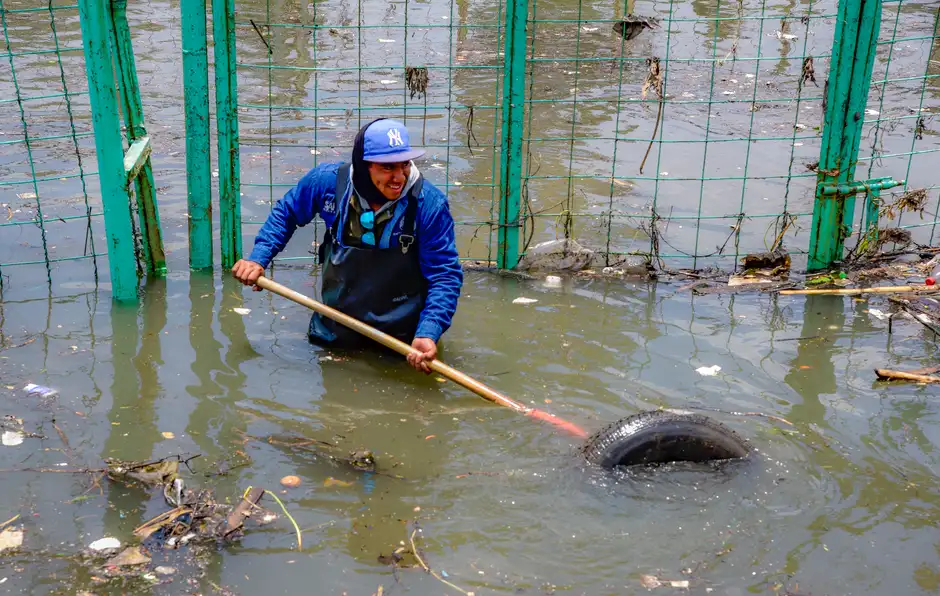
Sewage Water Removal in Arkansas is a Category 3 water remediation process that extracts contaminated wastewater, removes soaked materials, and disinfects the affected area to stop bacteria and mold from spreading. It is not the same as mopping up a clean-water leak. Raw sewage carries E. coli, hepatitis, and other pathogens, so the job requires containment barriers, personal protective gear, and disposal that follows Arkansas Department of Health Regulations. We treat every backup as a biohazard until testing proves otherwise.
Arkansas homeowners call us most often after a main-line clog, a failed sump pump float switch, or a heavy spring storm overwhelms the city sewer. Older homes in Little Rock and Pine Bluff with cast-iron drain lines are especially prone to root intrusion and collapse. When that happens, Arkansas sewage water extraction has to start fast, because contaminated water wicks into drywall, subfloor, and insulation within hours. Our crews handle emergency sewage water removal in Arkansas around the clock, including holidays.
Every sewage job starts with a written scope, so you know what is covered before we pull a single hose. The list below covers the standard work. If your job needs something extra, like a sewer line repair or a full crawl space vapor barrier, we will tell you upfront and price it before we start.
We pull standing sewage with a truck-mounted water extractor and reach tight spaces with a portable extraction unit. A submersible sump pump handles water deeper than two inches. Extraction usually takes one to three hours depending on volume.
Carpet, pad, and drywall below the flood line come out. Those materials cannot be disinfected once sewage soaks in, and leaving them risks mold growth from moisture within weeks. We bag and dispose of everything per Arkansas Department of Health Regulations.
We apply an EPA-registered antimicrobial solution to framing, subfloor, and concrete, then follow with a disinfectant pass. An air scrubber runs with a HEPA filter to capture airborne particles. Every surface the wastewater touched gets treated.
Industrial air movers and commercial dehumidifiers run for three to five days. We check moisture readings daily with a moisture meter and thermal imaging camera, and we adjust equipment placement until the structure hits a dry standard.
We photograph the damage, log every moisture reading, and build a line-item scope in Xactimate. Most adjusters accept our documentation as-is. You get a copy of everything we send your carrier.
Before we pull the last piece of equipment, we walk the space with you. We show you the final moisture readings, explain what was removed, and answer any questions. If you want a written summary for your records, we send one.
You reach a live dispatcher, day or night. We ask what backed up, how deep the water is, and whether anyone in the home has health issues. Within minutes we text you a technician name and an arrival window. If the source is still flowing, we walk you through shutting off the main water valve before we arrive.
On arrival we set polyethylene sheeting to isolate the contaminated zone, then suit up in PPE. We check for hydrostatic pressure seepage and confirm the sewer line is clear before extraction starts. A sewer jetter clears blockages so waste does not re-enter the home mid-job. This step usually takes 20 to 40 minutes.
Truck-mounted water extractors pull the bulk of the waste, and portable extraction units reach tight crawl spaces and closets. A submersible sump pump handles standing water deeper than two inches. We remove saturated carpet, pad, and drywall below the flood line, because those materials cannot be saved once sewage touches them.
We apply antimicrobial solution to framing, subfloor, and concrete, then let it dwell per label directions. An air scrubber runs with a HEPA filter to capture airborne particles while we work. Every surface gets a second pass with disinfectant before we call the area clean. This is the step that makes the space safe for your family again.
Industrial air movers and commercial dehumidifiers run for three to five days. We check moisture readings daily and adjust equipment placement. When readings match a dry standard, we pull the gear, photograph the finished space, and send your adjuster a complete drying log. You get a written summary of everything we did.
Purpose-built equipment, used by trained technicians — so the job is done accurately the first time.
Pulls large volumes of contaminated water fast. It handles the bulk of the waste so the job moves quickly and the structure stops absorbing moisture.
Reaches crawl spaces, closets, and tight bathrooms where a truck mount cannot go. We use it for the final pass after the bulk extraction is done.
Moves standing water deeper than two inches out of basements and crawl spaces. We pair it with a discharge hose that routes waste away from the foundation.
Pulls moisture out of the air and the structure after extraction. We run Dri-Eaz and Phoenix Restoration Equipment units, and we monitor readings daily.
Circulates air across wet surfaces to speed evaporation. Placement matters, so we reposition units as the drying front moves.
Finds hidden moisture behind walls and under floors without cutting into the structure. It shows us where the water actually went, not just where it pooled.
Runs a HEPA filter to capture airborne particles and pathogens while we work. It keeps the rest of the house cleaner during the job.
A main-line clog sent two inches of sewage across a 600-square-foot finished basement. Carpet, pad, and the bottom 12 inches of drywall were saturated. The homeowner had tried a wet/dry vacuum and made the smell worse.
We extracted the waste in about 90 minutes, removed the carpet, pad, and lower drywall, and treated the concrete and framing with antimicrobial solution. Drying equipment ran for four days. Final moisture readings matched the dry standard.
A failed sump pump float switch let groundwater and sewage fill a 400-square-foot crawl space to about four inches deep. Insulation was soaked, and the joists were starting to show moisture staining.
We pumped out the water, removed the soaked insulation, and treated the joists and subfloor with disinfectant. A desiccant dehumidifier ran for five days. Moisture readings in the joists dropped from 28 percent to 12 percent.
A tenant reported sewage coming up through the tub drain at 6 a.m. The bathroom floor and adjacent hallway carpet were contaminated. The landlord lived three hours away and needed documentation for the insurance claim.
We cleared the main line with a sewer jetter, extracted the water, and removed the hallway carpet and pad. The bathroom and hallway were disinfected, and drying equipment ran for three days. We sent the owner photos and a full moisture log.
Most sewage backups trace back to one of a handful of causes. Knowing which one hit your home helps us bring the right equipment on the first trip.
Ask a pro →We clear the line with a sewer jetter, extract the standing waste, and treat the entire floor and lower wall with antimicrobial solution. Drying equipment runs until moisture readings return to normal.
We set containment, extract the water, remove saturated materials, and disinfect the concrete and block walls. A vapor barrier recommendation follows if the space has a history of seepage.
We pump out the water, remove soaked insulation, treat the framing with disinfectant, and run a desiccant dehumidifier until the space is dry. We can replace the failed pump with a Zoeller or Wayne Pumps unit sized for your basin.
We handle the extraction, disinfection, and drying, and we document everything for the property owner and their carrier. Our Xactimate scope gives the adjuster what they need to approve the claim.
“Our main line backed up into the finished basement on a Sunday night. The crew arrived in about an hour, set up containment, and had the waste pumped out before midnight. They pulled the wet carpet, treated the concrete, and ran dehumidifiers for four days. The insurance adjuster accepted their Xactimate scope without a single question. I would call them again without hesitation.”
Marcus T.Homeowner, Sherwood
✓ Verified“A tenant called at 6 a.m. about sewage coming up through the tub drain. I had a crew at the property by 8. They cleared the blockage with a jetter, extracted the water, and disinfected the bathroom and hallway. The whole job took two days including drying. They sent me photos and a moisture log for my records. Fair price for the amount of work.”
Dana R.Landlord, Camden
✓ Verified“We had a sump pump fail during a storm and the basement took on about three inches of nasty water. The techs showed up with a truck-mounted extractor and a portable unit for the crawl space. They explained every step, checked moisture daily, and did not leave until readings were back to normal. The basement smells clean now. Worth every dollar.”
Kevin B.Homeowner, Cabot
✓ VerifiedA licensed water restoration company with biohazard training handles sewage cleanup in Arkansas. You should not attempt it yourself with a Shop-Vac or RIDGID wet/dry vacuum, because those units spread contaminated mist. Our crews hold IICRC AMRT certification and follow the ANSI/IICRC S500 Standard. We extract the waste, remove unsalvageable materials, disinfect every surface, and dry the structure. Call (833) 640-1438 and we will dispatch the nearest crew.
Most residential sewage backup cleanup in Arkansas runs $1,200 to $4,500 in 2026, depending on square footage, how deep the waste spread, and whether drywall or flooring must be removed. A single bathroom backup may land near the low end. A finished basement with carpet and drywall often hits the high end. Insurance usually covers the work if your policy includes sewer backup coverage. We provide a written scope before we start.
Yes, if your homeowners policy includes sewer backup coverage, which is usually a rider rather than standard coverage. Most Arkansas carriers reimburse extraction, disinfection, drying, and material replacement up to your policy limit. We document every job in Xactimate and photograph the damage so your adjuster has what they need. If your claim is denied, we will explain why and what your options are.
Sewage water is classified Category 3, the most contaminated category, and it can carry E. coli, salmonella, hepatitis A, and parasitic worms. Exposure causes gastrointestinal illness, skin infections, and in rare cases worse. Children, elderly residents, and anyone immunocompromised face the highest risk. Do not run your HVAC system while sewage is present, because it spreads contaminants through the house. Stay out of the affected area until a crew has disinfected it.
We cover the whole state, from the Delta to the Ozarks. Our crews stage equipment in multiple Arkansas hubs, so a backup in Benton does not wait on a truck from Fayetteville. Whether you need Arkansas sewage cleanup services in a Little Rock bungalow or a raw sewage water removal Arkansas job at a Camden rental, we dispatch the closest available team. One call reaches the entire network, and we answer 24/7.
 Flood Water RemovalFloodwater often carries the same contaminants as sewage, especially after a storm overwhelms a city system. We treat flood intrusion with the same containment and disinfection protocol, then dry the structure to pre-loss moisture levels.Explore →
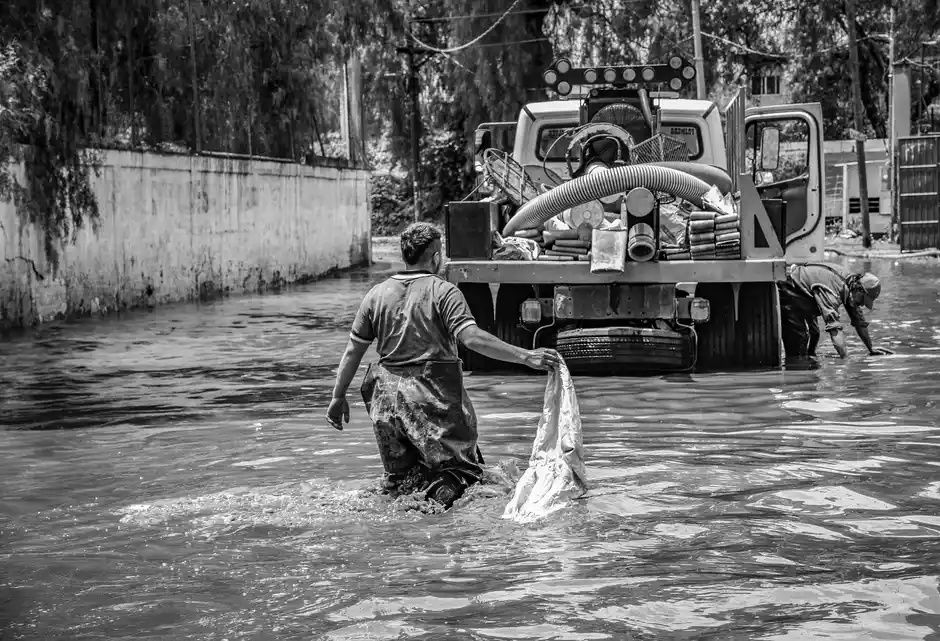 Basement Water RemovalA sewage backup frequently starts in the basement, where the lowest drain sits. We extract standing waste, pull saturated carpet and pad, and treat the concrete floor and block walls with antimicrobial solution before drying.Explore →
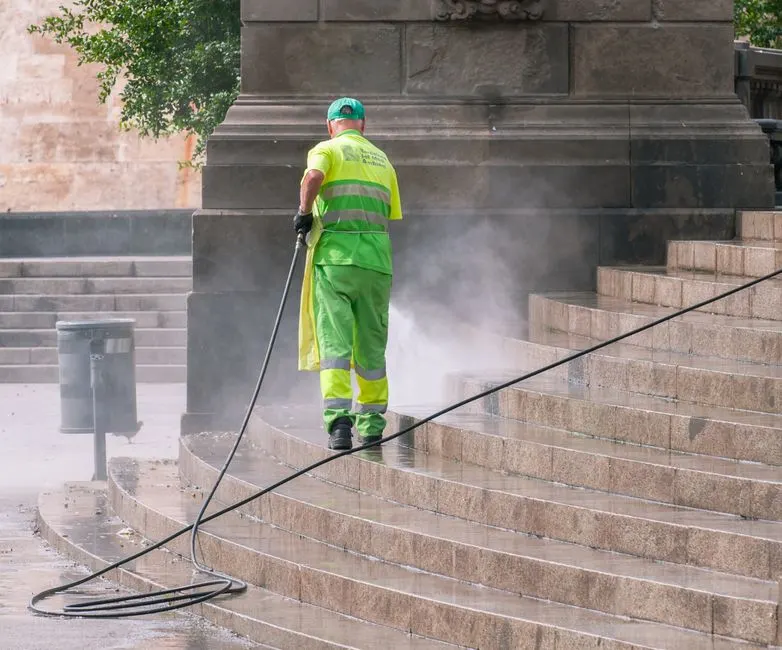 Crawl Space Water RemovalSewage that reaches a crawl space soaks insulation and joists fast. We remove contaminated material, apply disinfectant to the framing, and install a vapor barrier once the space is dry to prevent future moisture problems.Explore →
 Burst Pipe Water RemovalA burst supply line is clean water, but it can still flood a room in minutes. We extract the water, dry the structure, and check for hidden moisture behind walls before it turns into a mold problem.Explore →
 Storm Water RemovalSpring storms in Arkansas push water through foundation cracks and window wells. We pump out standing water, check for hydrostatic pressure seepage, and dry the affected rooms before humidity climbs.Explore →Standing Water RemovalStanding water in a home grows bacteria within 24 to 48 hours. We extract it with truck-mounted equipment, then run air movers and dehumidifiers until moisture readings return to a safe dry standard.Explore →
 Sump Pump Failure Water RemovalA failed sump pump float switch is one of the most common causes of basement flooding in Arkansas. We extract the water, dry the space, and can recommend a replacement pump sized for your basin.Explore →
 Frozen Pipe Water RemovalArkansas cold snaps burst pipes in attics and exterior walls. We extract the water, dry the cavity, and check for pipe insulation and heat tape needs so the same line does not freeze again next winter.Explore →
Sewage does not wait, and neither do we. Our crews answer the phone 24/7 and dispatch the closest truck to your address. One call gets a certified team on the way with extraction equipment, disinfectant, and drying gear. Call (833) 640-1438 and we will handle the rest.
Call Now (833) 640-1438 →Call (833) 640-1438 any time, day or night. A real person answers, asks a few questions about the water, and dispatches the closest crew. You get a text with the tech's name and ETA, and we are typically on site within 90 minutes in the major Arkansas metros.