Why is water coming up through my basement floor in Arkansas
Water pushing up through an Arkansas basement floor almost always means hydrostatic pressure, a failed sump pump, or a floor drain backup. Here's what causes it and how to stop it.
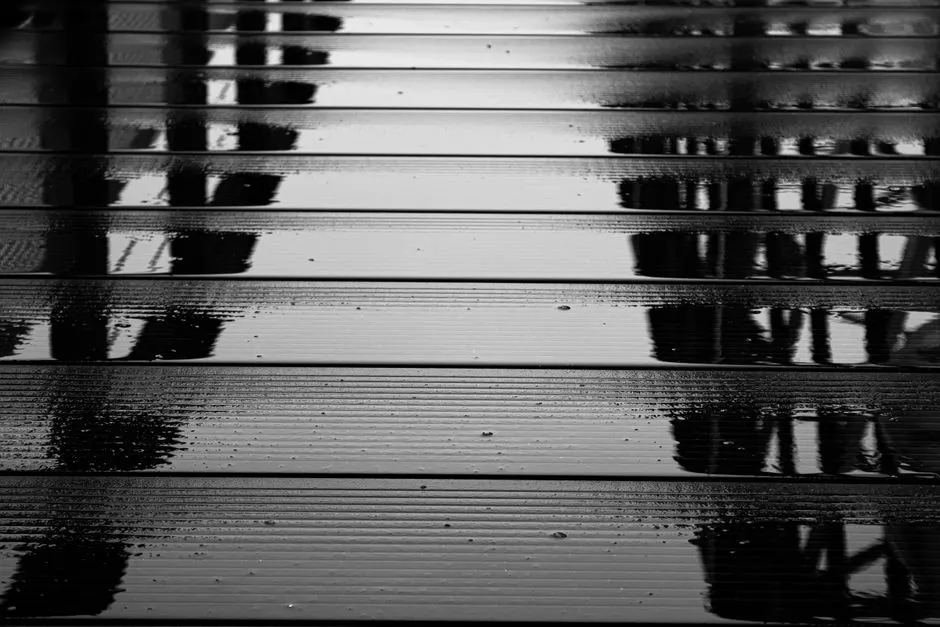
Water coming up through your Arkansas basement floor is almost always groundwater being pushed upward by hydrostatic pressure, not a leak from above. The soil around your foundation is saturated, the water table has risen, and the only place left for that water to go is up through the slab. In some cases it's a failed sump pump or a backed-up floor drain instead - but the fix starts with identifying which one you're dealing with.
We handle this call every week across the state, and the causes are surprisingly consistent. Below we break down what's actually happening under your slab, how to tell the difference between the common culprits, and what it takes to stop it for good.
The short answer: hydrostatic pressure pushes water up
Why is water coming up through my basement floor in Arkansas? Because water always moves from high pressure to low pressure, and a saturated foundation drain system creates pressure under your slab that has nowhere to go but up. Your basement floor sits lower than the surrounding soil, so when that soil fills with water, the slab becomes the path of least resistance.
Hydrostatic pressure basement Arkansas homeowners deal with is the single most common cause of floor seepage we see. It's not a plumbing leak. It's not a crack in the wall. It's the ground itself pushing water through the concrete.
Concrete is porous. A standard 4-inch basement slab will pass water vapor and, under enough pressure, liquid water. That's why you can have a floor that looks perfectly intact and still wakes up to a wet patch every time it rains hard.
Why Arkansas soil makes this worse than most states
Arkansas sits on a mix of clay-heavy soils, silt loam, and shallow bedrock in the Ozarks and Ouachitas, and that geology is brutal on basements. Clay expands when it's wet and shrinks when it's dry, which means your foundation is constantly being squeezed and released.
We also get 48 to 52 inches of rain in a typical year, with most of it falling between March and June. That's a lot of water trying to find somewhere to go. Add the freeze-thaw cycles we get in January and February - where the ground swells and contracts - and you've got soil that moves more than most of the country.
In the Delta and along the Mississippi and Arkansas River corridors, the water table can sit within a few feet of the surface during wet season. That's why homeowners in Water Removal in Little Rock and the surrounding river towns see basement seepage more often than folks up in the higher elevations.
If you want to see how we handle the full scope of these jobs, our Water Removal in Arkansas service covers everything from emergency extraction to structural drying.
The five most common causes we find in Arkansas basements
When we walk into an Arkansas basement with water on the floor, it's almost always one of these five things. Sometimes it's two at once.
1. Hydrostatic pressure from saturated soil
This is the big one. After a heavy spring rain, the soil around your foundation can't drain fast enough. Water builds up under the slab, and since it can't go down or sideways, it comes up through the concrete. You'll usually see it as a damp patch near the center of the floor or along the cold joint where the slab meets the wall.
2. A failed or undersized sump pump
Sump pumps have a lifespan of about 7 to 10 years. If yours is older, or if it's a 1/3-horsepower unit trying to move water from a 2,000-square-foot basement, it's going to lose the fight. We see a lot of pumps that run constantly during a storm and then burn out right when you need them most.
3. A clogged or backed-up floor drain
Arkansas basement floor drain backup water is common in older homes where the drain ties into the municipal sewer or a shared storm line. When the city system surcharges during a heavy rain, water reverses and comes up through your floor drain. That's a sewage issue, not a groundwater issue, and it needs different handling.
4. A cracked or deteriorated slab
Hairline cracks are normal. But if you've got a crack wider than a credit card, or a slab that's settled and separated from the footing, water will find it. We see this a lot in homes built before 1980 where the original vapor barrier has failed.
5. A missing or failed vapor barrier
Modern slabs are poured over a 6-mil polyethylene vapor barrier. Older homes often don't have one, or it's torn and degraded. Without it, moisture migrates up through the concrete year-round, and during wet periods it becomes visible water.
How to tell which cause you're dealing with
You can narrow it down in about ten minutes with a few simple checks. Here's what we look for first.
- Timing: Water appears 12-24 hours after heavy rain = hydrostatic pressure. Water appears immediately during rain = floor drain backup. Water appears year-round = vapor barrier or high water table.
- Location: Center of the floor = hydrostatic. Near the floor drain = drain backup. Along the wall-floor joint = wall seepage or footing drain failure.
- Smell: Musty, earthy smell = groundwater. Sewage smell = drain backup. No smell = condensation or vapor migration.
- Sump pump behavior: If the pit fills faster than the pump can empty it, the pump is undersized or failing.
If you're not sure, a moisture meter and a visual inspection of the sump pit will usually tell you. We do this on every estimate.
How to stop water seeping through your basement floor
How to stop water seeping through your basement floor in Arkansas depends on the cause, but the permanent fix almost always involves managing water before it reaches the slab. Here's the order we work in.
Step 1: Get the standing water out first
You can't diagnose a wet floor while it's underwater. We extract standing water with truck-mounted units that pull 20-30 gallons per minute, then set up commercial dehumidifiers and air movers to dry the slab and the air. A typical 1,000-square-foot basement takes 3 to 5 days to dry completely.
For serious flooding, our Basement Water Removal in Arkansas team handles the extraction, drying, and moisture verification in one visit.
Step 2: Fix the drainage outside
Most hydrostatic pressure problems start with poor exterior drainage. That means:
- Cleaning gutters and extending downspouts at least 6 feet from the foundation.
- Regrading the soil so it slopes away from the house at a 6-inch drop over 10 feet.
- Checking that the French drain or footing drain isn't clogged with roots or silt.
Step 3: Upgrade the sump system
A properly sized sump pump with a battery backup is the single most effective defense against hydrostatic pressure. We typically install a 1/2-horsepower primary pump with a 1/3-horsepower backup, plus a high-water alarm. That setup handles most Arkansas basements.
If your pump just failed, we can help with Sump Pump Failure Water Removal in Arkansas and get the water out while you decide on a replacement.
Step 4: Seal the slab and joints
Crystalline waterproofing or epoxy injection can seal cracks and the wall-floor joint. This isn't a substitute for drainage - it's a supplement. If you seal the floor without fixing the water source, the water will find another way in.
Step 5: Consider interior drainage
For chronic problems, an interior perimeter drain that channels water to the sump pit is the permanent solution. It's a bigger job, but it works. We see this most often in homes across Water Removal in Fort Smith where the soil is heavy clay and exterior drainage is difficult.
Common mistakes we see homeowners make
We've seen every wrong move in the book. Here are the ones that cost the most money.
- Waiting to see if it dries on its own. Mold starts growing within 24-48 hours. A wet basement that sits for a week becomes a mold remediation job.
- Running a shop vac and calling it done. A shop vac pulls surface water. It doesn't dry the slab or the air, and the moisture wicks right back up.
- Sealing the floor without fixing drainage. The water has to go somewhere. If you block the floor, it goes into the walls.
- Ignoring the sump pump until it fails. Test it every spring by pouring a bucket of water into the pit. If it doesn't kick on within a few seconds, replace it.
- Assuming insurance will cover it. Most standard Arkansas homeowner policies exclude groundwater and hydrostatic pressure. Flood insurance is separate and only covers surface flooding.
When to call a professional
Call us when the water is more than a damp spot, when it comes back after you've dried it, or when you smell sewage. Those three situations mean the problem is bigger than a wet-vac and a fan.
AR Water Remover Pros handles the extraction, the drying, and the moisture verification so you know the job is actually done. We also tell you what caused it, so you can fix the source and stop it from happening again.
If you've got water coming up through the floor right now, don't wait. Every hour it sits, the damage gets deeper and the repair bill gets bigger.
Frequently asked questions
Why does water come up through my Arkansas basement floor?
Hydrostatic pressure from saturated soil is the cause in about 80% of the Arkansas basements we inspect. The soil around your foundation fills with water after heavy rain, and that pressure pushes water up through the porous concrete slab. A failed sump pump or a backed-up floor drain causes the rest.
How do I stop water coming up through my basement floor in Arkansas?
Stop it by managing water before it reaches the slab: clean gutters, extend downspouts 6 feet, regrade the soil, and install a properly sized sump pump with a battery backup. For chronic problems, an interior perimeter drain is the permanent fix. Sealing the floor alone won't work if the water source isn't addressed.
Is water coming up through basement floor covered by insurance in Arkansas?
Usually not. Standard Arkansas homeowner policies exclude groundwater and hydrostatic pressure. Flood insurance through the NFIP covers surface flooding but not water that seeps up through a slab. Some policies cover sump pump failure if you've added the endorsement - check your declarations page.
How long does it take to dry a wet Arkansas basement?
A typical 1,000-square-foot basement takes 3 to 5 days to dry with commercial dehumidifiers and air movers. If the walls are finished or the insulation is wet, it can take 7 to 10 days. We verify moisture content before we pull the equipment.
Can I just dry it with fans and a dehumidifier from the hardware store?
For a small damp spot, maybe. For anything more than a few square feet, no. Consumer dehumidifiers pull 30-50 pints per day; commercial units pull 130-200 pints. The difference is the difference between drying it in 4 days and fighting mold for a month.
Get help with Water Removal in Arkansas
Water coming up through your basement floor won't fix itself, and it won't dry out on its own. We extract the water, dry the space, and tell you exactly what caused it so you can stop it from coming back.
Call AR Water Remover Pros at (833) 640-1438. We'll get your basement dry and give you a straight answer on what it takes to keep it that way.