Water removal in Little Rock: what to expect when you call
A step-by-step look at what happens after you call for water removal in Little Rock - from the first phone call to the final moisture reading, plus real 2026 costs.
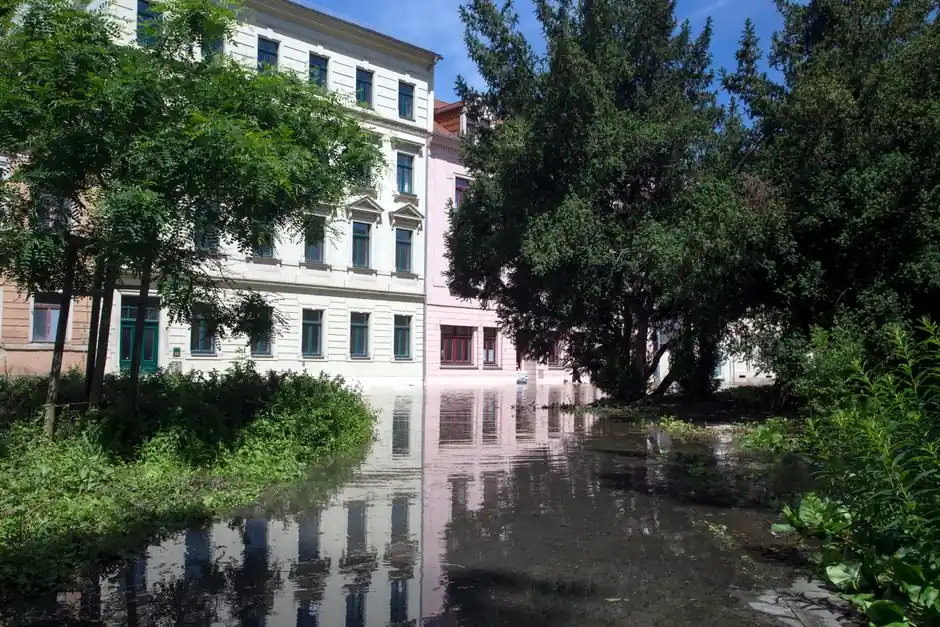
When you call for water removal in Little Rock, a crew arrives at your door, shuts off the source if it is still running, extracts standing water with truck-mounted or portable units, and sets drying equipment the same visit. Most calls in Pulaski County get a technician on site within 60 to 90 minutes, and the extraction itself usually takes two to four hours depending on how much water is in the structure.
That is the short version. The rest of this page walks through what actually happens between the phone call and the final moisture reading - arrival windows, the equipment we run, how long drying takes in a Central Arkansas house, what it costs in 2026, and the mistakes that turn a two-day job into a two-week one. If you are standing in water right now, skip to the number at the bottom and call. If you have a minute, read on.
The first 60 minutes after you call
The intake call takes about five minutes. We ask where the water is, how deep it is, whether it is still coming in, and whether the power is on in that part of the house. Those four answers determine what we load on the truck - a portable extractor for a bathroom overflow, a truck-mount and a trailer of air movers for a flooded basement.
While you wait, do three things. Kill the breaker to any room with standing water if you can reach the panel without wading. Move furniture and rugs off wet carpet if it is safe. Do not run a shop vac on more than an inch of water - it will burn out and you will still have a wet floor.
When we pull up, the first thing we do is walk the perimeter with you and find the source. Water removal without stopping the source is just mopping. If it is a burst supply line, we shut the main. If it is a failed sump pump, we set a temporary pump. If it is sewage backing up through a floor drain, we treat the whole area as contaminated and gear up accordingly.
How fast can water removal get to Little Rock?
Emergency water removal in Little Rock typically arrives in 60 to 90 minutes from the time you hang up, and we run calls 24 hours a day, including weekends and holidays. That window holds for most of the metro - downtown, the Heights, Hillcrest, Capitol View, Southwest Little Rock, and out toward Chenal.
Two things stretch that window. First, weather. A spring storm that drops three inches in an hour across Pulaski County floods every low-lying street at once, and we are triaging calls by severity. Second, address access. If your street is off Cantrell or Highway 10 and the creek is over the road, we will tell you on the phone and route a second crew from the other side.
We also cover the surrounding cities. If you are just across the river, our team handles Water Removal in North Little Rock with the same equipment and the same response window. South of the metro, we run Water Removal in Benton and the Bryant corridor daily.
What the extraction process actually looks like
Extraction is not one machine. It is a sequence, and skipping a step is how mold shows up three weeks later. Here is the order we run it in a typical Little Rock home.
- Standing water pull. Truck-mounted extractor for anything over half an inch. A 1,200-square-foot finished basement holding two inches of water is roughly 1,500 gallons - that is a two-hour pull with a truck-mount, longer with a portable.
- Carpet and pad separation. If the carpet is salvageable, we lift it, pull the wet pad, and extract the carpet from both sides. Pad almost never survives. Carpet often does if we get to it within 24 to 48 hours.
- Hard floor and subfloor. Tile, LVP, and hardwood get extracted at the surface, then we check the subfloor with a pin meter. Water wicks up through concrete and plywood and sits there.
- Baseboard and drywall check. We pull baseboard in affected rooms and cut drywall to the flood line - usually 12 to 24 inches up. This is the step homeowners push back on, and it is the step that prevents a tear-out later.
- Air movers and dehumidifiers. Typically one air mover per 10 to 16 linear feet of wall and one LGR dehumidifier per 1,000 to 1,200 square feet. We run them 24/7 and check readings daily.
If the water came in through a failed sump pump, the sequence changes a little - we pump the pit first and confirm the float and check valve before we touch the floor. Our Sump Pump Failure Water Removal in Arkansas crews carry replacement pumps on the truck so you are not waiting on a hardware store run.
How long does drying take in a Little Rock home?
Structural drying in a Little Rock home usually takes three to five days, with the clock starting the day extraction finishes. A small bathroom leak dries in two to three. A flooded crawl space or a finished basement can run seven to ten.
Central Arkansas humidity is the variable. In July and August, outdoor air is 70 to 80 percent relative humidity, so we cannot use open-window drying the way crews do in West Texas. We run closed-system dehumidification - seal the room, pull moisture out of the air, dump it down a drain. In January and February, the opposite problem: cold air holds less moisture, so drying is faster but we have to watch for frozen pipes in unheated crawl spaces.
We take moisture readings every day and log them. You get a dry standard from an unaffected room, and we dry until the affected rooms match it. When the numbers hold for 24 hours, we pull equipment. That is the day you can start thinking about repairs.
How much does water removal cost in Little Rock?
Typical 2026 pricing for water removal in Little Rock runs $1,200 to $2,800 for a single-room extraction and drying setup, $3,000 to $6,500 for a finished basement or a multi-room event, and $8,000 and up for Category 3 sewage or storm flooding that requires tear-out and antimicrobial treatment.
What moves the number:
- Water category. Clean supply-line water is the cheapest. Gray water from a washing machine or dishwasher sits in the middle. Black water - sewage, ground-surface flooding, river water - is the most expensive because everything it touched has to be removed or treated.
- Square footage affected. Extraction and equipment are priced by area, not by hour.
- Materials. Wet carpet and pad are cheaper to handle than wet hardwood or a glued-down engineered floor.
- After-hours calls. Nights, weekends, and holidays carry a higher rate. Most homeowners never see it because insurance covers it.
We give you the price before we start. If your policy covers the loss, we bill the carrier directly and you are typically on the hook for your deductible and nothing else. If it does not, we tell you that on the first call, not after the equipment is on the floor.
What to watch out for
The biggest mistake we see in Little Rock is waiting. Water damage compounds on a clock - mold colonization starts in 24 to 48 hours, and by day four you are looking at a remediation job, not a drying job. The second biggest is trusting a shop vac and a box fan.
Other things that cost homeowners money:
- Not documenting before you clean up. Take photos and video of everything wet, including the water line on the wall, before you move a single item. Your adjuster needs it.
- Throwing away wet items too fast. Some things are salvageable with the right drying. Let a technician make that call.
- Turning the heat up to "dry it faster." That works for a small spill. In a flooded room it just feeds mold.
- Assuming the water is clean. If it came up through a floor drain, a toilet, or the ground, it is not.
- Hiring whoever answers first. Ask whether they carry IICRC-certified technicians and whether they bill insurance directly. If the answer to either is no, keep calling.
One more: if the water came in through a broken pipe behind a wall, the visible puddle is the small part of the problem. Our Burst Pipe Water Removal in Arkansas crews use thermal imaging to find the wet cavity before we cut, so we open one wall instead of three.
When to call a professional
Call a professional any time water has been sitting for more than a few hours, covers more than about 10 square feet, or came from anything other than a clean supply line. Those three conditions cover 90 percent of the calls we run in Little Rock.
Call immediately if you see any of these:
- Water wicking up drywall or baseboard
- A musty smell that was not there yesterday
- Bubbling paint or a soft spot in the floor
- Sewage or ground water anywhere inside the house
- A crawl space with standing water or soaked insulation
AR Water Remover Pros handles the whole job - extraction, drying, moisture documentation for your insurance claim, and the referral to a repair contractor when the structure is dry. We are a local Arkansas water removal company, not a franchise dispatch center, and the crew that shows up is the crew that finishes the job.
Frequently Asked Questions
Who does water removal in Little Rock Arkansas?
AR Water Remover Pros is a local water removal company serving Little Rock and the surrounding Pulaski County area, along with North Little Rock, Benton, Bryant, and Conway. We run 24/7 emergency calls, carry IICRC-certified technicians, and bill most major insurance carriers directly.
How much does water removal cost in Little Rock?
In 2026, most single-room jobs run $1,200 to $2,800. A finished basement or multi-room loss runs $3,000 to $6,500. Sewage or storm flooding with tear-out starts around $8,000. We quote the price before work begins, and insurance usually covers most of it.
How fast can water removal get to Little Rock?
Typically 60 to 90 minutes from your call for most of the Little Rock metro, 24 hours a day. Severe storm events and flooded roadways can push that to two or three hours, and we will tell you the real window on the phone.
Can I stay in my house during water removal and drying?
Usually yes. Air movers and dehumidifiers are loud - 65 to 75 decibels - but not dangerous. If the water was Category 3 sewage or the drying area is a single small room, we may recommend staying elsewhere for a night or two. We will tell you honestly which situation you are in.
Does homeowners insurance cover water removal in Little Rock?
Most policies cover sudden and accidental water damage - burst pipes, appliance failures, sump pump overflow. They typically do not cover gradual leaks, poor maintenance, or surface flooding without a separate flood policy. We document the loss thoroughly so your adjuster has what they need.
Get help with Water Removal in Little Rock
If you have water on the floor right now, the call is the easy part. We will tell you what we are seeing, what it will cost, and when we can be there - no runaround, no upsell.
Call AR Water Remover Pros at (833) 640-1438 and we will get a crew moving toward your address.