Water removal cost in Arkansas: what homeowners actually pay
Real 2026 numbers for water removal in Arkansas - what a wet floor, flooded basement, or burst pipe actually costs to dry out, and what moves the price.
Most Arkansas homeowners pay between $1,200 and $3,800 for professional water removal, with the statewide average landing near $2,400 for a typical single-room extraction and drying job in 2026. A small contained leak - say a supply line under a bathroom sink - can run as low as $450, while a flooded crawl space or a finished basement under two inches of water pushes past $6,000 once you add drying equipment, antimicrobial treatment, and debris haul-out.
Water removal cost in Arkansas is a category of service pricing that covers extraction of standing water, structural drying, moisture mapping, and often the first round of sanitation - it is needed any time water has entered a home and will not leave on its own. What you actually pay depends on how much water, what kind of water, and how long it has been sitting there. Below we break down real 2026 numbers, what drives them, and how insurance usually fits in.
How much does water removal cost in Arkansas?
Water removal in Arkansas runs $450 to $6,500+ for most residential jobs, with the bulk of single-family homes falling in the $1,200-$3,800 band. That range covers the full service - extraction, air movers, dehumidifiers, daily moisture checks, and a final dry-standard verification - not just the initial pump-out.
Here is how the numbers shake out by job size:
- Small (under 100 sq ft, one room, clean water): $450-$1,200
- Medium (100-500 sq ft, two or three rooms): $1,200-$3,800
- Large (500-1,200 sq ft, whole floor or basement): $3,800-$7,500
- Catastrophic (1,200+ sq ft, sewage or storm surge): $7,500-$15,000+
Those numbers are for the water removal and drying work itself. Repairing drywall, replacing flooring, or rebuilding a subfloor is a separate line item and usually adds 40-70% on top. If you want the full scope of what we handle, start with Water Removal in Arkansas - that page covers the whole service from emergency call to final moisture reading.
What factors affect water removal cost in Arkansas?
Six things move the price more than anything else, and every one of them is something we can see within the first ten minutes on site.
1. Water category
Clean water from a supply line is the cheapest to remove. Gray water from a washing machine or dishwasher discharge costs more because it needs antimicrobial treatment. Black water - sewage backups, river flooding, or anything that has sat more than 48 hours - is the most expensive because everything it touches has to be removed and disposed of, not just dried.
2. Square footage affected
Water travels. A leak in an upstairs bathroom can soak the ceiling, the hallway carpet, and the basement below it. We measure the actual wet footprint with a moisture meter, not just the visible puddle, because drying the visible area and leaving the hidden wet zone behind guarantees a mold call in three weeks.
3. How long the water has been sitting
Mold can start colonizing wet drywall in 24 to 48 hours. Water that has been sitting for a day costs less to remediate than water that has been sitting for a week, because the longer it sits, the more material has to be cut out rather than dried in place.
4. Access and structure
A slab-on-grade home in Water Removal in Benton with water under the flooring is a different job than a pier-and-beam house with a wet crawl space. Crawl spaces, finished basements, and second-story leaks all add labor because equipment has to be moved, floors sometimes have to be opened, and drying takes longer in enclosed spaces.
5. Equipment and drying time
Standard drying runs 3 to 5 days. Hardwood floors, dense carpet padding, and plaster walls can take 7 to 10 days. Every extra day of equipment rental adds roughly $75-$150 per day to the bill.
6. Emergency timing
After-hours, weekend, and holiday calls carry a premium - usually 25-50% above standard rates. A 2 a.m. burst pipe call in January costs more than the same job at 10 a.m. on a Tuesday.
Arkansas water removal prices by job type
Different water problems have different price profiles. Here is what we see most often across the state in 2026.
Burst pipe water removal
Burst pipe jobs typically run $1,100-$3,200. The pipe itself is a plumbing repair, but the water it dumps into walls, ceilings, and floors is the expensive part. Winter is the busy season - a hard freeze in the Ozarks or in the River Valley can split copper in an unheated crawl space overnight. If that is what you are dealing with, our Burst Pipe Water Removal in Arkansas page walks through how we handle it.
Basement and crawl space flooding
Basement water removal runs $1,800-$5,500 for most homes. Crawl space jobs run $1,500-$4,800 because access is tighter and drying takes longer. Both are common in older Arkansas homes with original drainage that was never sized for the kind of rain we get in spring.
Sewage backup cleanup
Sewage is the most expensive category because of the disposal and disinfection requirements. Expect $2,800-$7,500 for a typical residential backup, more if it reached a finished area. Our Sewage Water Removal in Arkansas team handles the extraction, the sanitizing, and the disposal of contaminated materials.
Storm and flood water
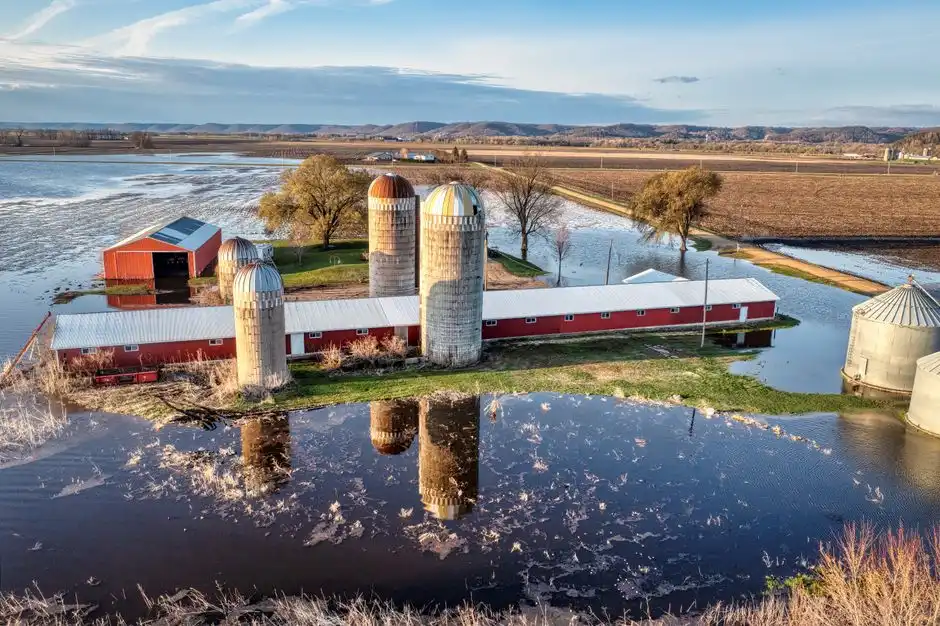
Storm-driven flooding is priced by the square foot of affected area and can easily top $10,000 for a whole first floor. River flooding in the Arkansas and White River basins is the worst-case scenario because the water is contaminated and often sits for days.
Water removal cost per square foot in Arkansas
Per-square-foot pricing is how most companies - including ours - build an estimate. In Arkansas in 2026, expect:
- Clean water extraction and drying: $3.50-$6.00 per sq ft
- Gray water (with antimicrobial): $5.00-$8.50 per sq ft
- Black water / sewage: $7.00-$12.00 per sq ft
- Crawl space (tight access): $4.50-$9.00 per sq ft
A 300-square-foot finished basement with clean water intrusion lands around $1,500-$1,800. The same space with sewage backup lands closer to $2,800-$3,600. That gap is why the first question we ask on the phone is not "how big is it" but "what kind of water is it."
Does insurance pay for water removal in Arkansas?
Most standard Arkansas homeowners policies cover sudden and accidental water damage - a burst pipe, a failed water heater, a supply line that let go - including the water removal and drying. They do not cover gradual leaks, maintenance neglect, or surface flooding from a storm unless you carry separate flood insurance through the NFIP or a private carrier.
What that means in practice:
- Covered: burst pipe, appliance failure, accidental overflow, storm-driven rain entering through a damaged roof or window
- Usually not covered: slow leaks you should have caught, groundwater seepage, sewer backup unless you added the endorsement, river or surface flooding
File the claim before you start ripping anything out. Most carriers want photos of the water in place, a moisture map, and an itemized scope of work. We document all of that on site and send it straight to your adjuster - it is one of the reasons homeowners call us instead of a general handyman. If you are in the Little Rock metro, Water Removal in Little Rock is where we run the most insurance-backed jobs, and we know how the local adjusters want the paperwork formatted.
Cheap water removal in Arkansas vs professional
A wet-vac and a box fan costs about $150. It also leaves moisture trapped in the wall cavity, the subfloor, and the insulation, which is exactly where mold grows. The average mold remediation bill in Arkansas runs $2,000-$6,000 - three to five times what proper drying would have cost in the first place.
Professional water removal is not just pumping water out. It is:
- Moisture mapping with thermal imaging and pin meters to find water you cannot see
- Extraction with truck-mounted or portable units that pull water from carpet, pad, and subfloor
- Air movers and dehumidifiers sized to the cubic footage of the affected area
- Daily moisture readings until the structure hits dry standard
- Documentation for your insurance claim
The cheapest quote is rarely the cheapest outcome. A company that shows up with two fans and a shop vac and calls it done is going to cost you more in three weeks than the company that did it right the first time.
What to watch out for
Three things trip homeowners up more than anything else when they are shopping for water removal in Arkansas.
Quotes that do not include drying. Extraction is half the job. If a quote only covers pumping water out and does not list air movers, dehumidifiers, and daily monitoring, it is not a complete price - it is a down payment on a mold problem.
No moisture documentation. If the company cannot show you meter readings before and after, you have no way to know the structure is actually dry. Ask for the numbers.
Pressure to sign before you have talked to your adjuster. You can start emergency extraction to stop the damage from getting worse, but you do not have to commit to the full rebuild scope before your carrier has weighed in. Any company that tells you otherwise is working for itself, not you.
When to call a professional
Call us when the water is more than a towel can handle, when it has been sitting more than a few hours, when it smells, or when you can see it has reached a wall, a cabinet, or a floor covering. Those are the four signs that a wet-vac and a fan will not cut it.
AR Water Remover Pros handles extraction, drying, moisture documentation, and insurance paperwork across Arkansas. We give you a written price before we start, and we tell you honestly if a job is small enough that you can handle it yourself.
Frequently Asked Questions
How much does water removal cost in Arkansas?
Most Arkansas homeowners pay $1,200-$3,800 for a typical water removal and drying job in 2026, with a statewide average near $2,400. Small contained leaks start around $450. Flooded basements, crawl spaces, and sewage backups run $3,000-$7,500 or more depending on square footage and water category.
What factors affect water removal cost in Arkansas?
The six biggest are water category (clean, gray, or black), square footage affected, how long the water has been sitting, access to the wet area, drying time required, and whether the call is after hours. Sewage and storm water cost roughly double clean water because of disposal and disinfection requirements.
Is water removal covered by homeowners insurance in Arkansas?
Sudden and accidental water damage - burst pipes, appliance failures, accidental overflows - is typically covered under standard Arkansas homeowners policies, including extraction and drying. Gradual leaks, maintenance neglect, and surface flooding are usually excluded unless you carry separate flood insurance or a sewer backup endorsement.
How long does water removal and drying take?
Extraction takes a few hours. Full structural drying runs 3 to 5 days for most homes, and 7 to 10 days for hardwood, plaster, or dense carpet. We check moisture daily and do not pull equipment until the structure hits dry standard.
Can I just use a wet-vac and fans instead of hiring a company?
For a small spill on a hard surface, yes. For anything that reached carpet, pad, drywall, or a subfloor, no - a wet-vac pulls surface water but leaves moisture trapped where mold grows. Mold can start within 24 to 48 hours, and remediation costs three to five times what proper drying would have.
Get help with Water Removal in Arkansas
If you have water where it should not be, call us and we will give you a straight price over the phone and a written scope on site. We serve homeowners across Arkansas, from the Delta to the Ozarks.
Call AR Water Remover Pros at (833) 640-1438 - we answer 24/7 and we can usually be on site the same day.