Sump pump vs French drain for Arkansas basement flooding
Sump pumps handle rising groundwater fast; French drains redirect surface and shallow water away. Here is how to pick the right fix for your Arkansas basement.
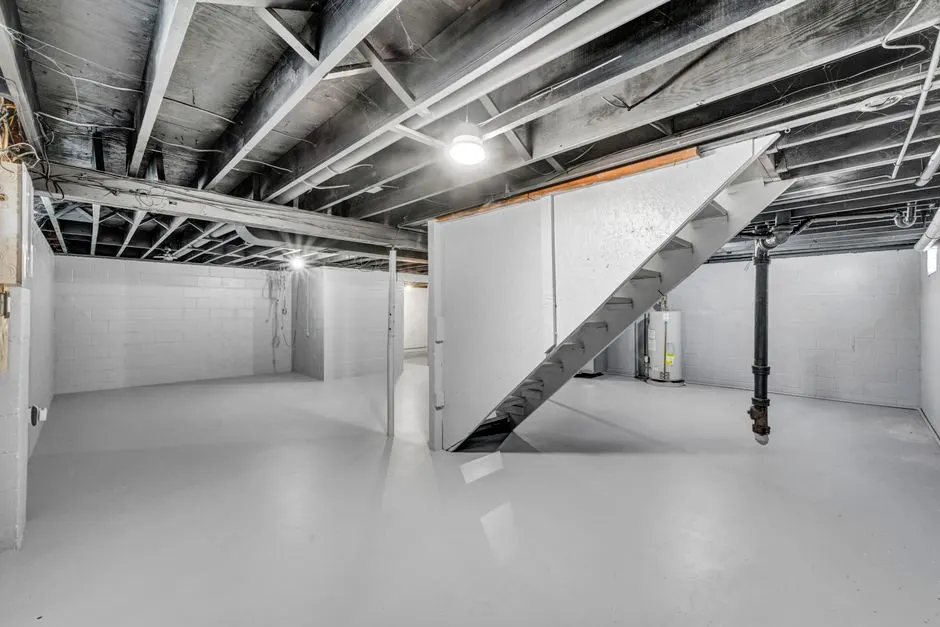
A sump pump removes water that has already reached your basement floor or sump pit, while a French drain intercepts water before it gets to your foundation. For most Arkansas homes, the right answer is not one or the other - it is a sump pump for rising groundwater and a French drain for surface water and shallow subsurface flow. This article breaks down how each system works in Arkansas soil, what they cost in 2026, and how to decide which one your house actually needs.
We have pumped out hundreds of basements across central and northwest Arkansas, and the pattern is always the same: the homeowner bought the wrong fix for the water they actually had. A sump pump cannot stop a hillside from draining into your window well. A French drain will not save you when the water table rises under the slab. Getting this right saves thousands in repeat damage.
The short answer: sump pump vs French drain for Arkansas basement flooding
Sump pump vs French drain for Arkansas basement flooding is a comparison of two tools that solve different problems - one pumps water out, the other keeps water from arriving. A sump pump is a mechanical device installed in a pit at the lowest point of your basement. When water fills the pit, a float switch triggers the pump and discharges the water outside. A French drain is a gravel-filled trench containing a perforated pipe that collects and redirects water away from your foundation before it ever reaches the basement.
If your basement floods after heavy rain and the water appears along the floor-wall joint or through the slab, you need a sump pump. If water pools against your foundation, runs down a slope toward the house, or shows up in a window well, you need a French drain. If you have both problems - and in Arkansas, many homes do - you need both systems working together.
How a sump pump works in an Arkansas basement
A sump pump sits in a pit roughly 18 to 24 inches deep and 18 inches wide, cut into the lowest point of your basement floor. Water flows into the pit through drain tile or by gravity, and when the float rises to a set level, the pump kicks on and pushes the water through a discharge pipe to a point outside the foundation.
Most Arkansas homes use a submersible pump, which sits underwater inside the pit and runs quieter than a pedestal model. A typical 1/3-horsepower submersible pump moves about 35 to 45 gallons per minute at 10 feet of lift. That matters in Arkansas because our spring storms can dump two inches of rain in an hour, and a slow pump will lose ground.
Here is what we check on every sump pump installation in Arkansas:
- Pit depth and diameter - too small a pit means the pump cycles constantly and burns out early.
- Check valve - prevents water from flowing back into the pit after the pump shuts off.
- Discharge line slope and freeze protection - Arkansas winters freeze discharge lines that run above grade, cracking them and flooding the basement when the pump runs.
- Backup power - a battery backup or water-powered backup pump keeps you dry during the power outages that follow every Arkansas ice storm.
We install sump pumps with a primary and a backup, because a single pump that fails during a storm is the same as no pump at all. If your existing pump has already quit on you, our Sump Pump Failure Water Removal in Arkansas crew can extract the standing water and get a new pump running the same day.
How a French drain works in Arkansas clay soil
A French drain is a trench - usually 6 to 12 inches wide and 18 to 24 inches deep - lined with filter fabric, filled with washed gravel, and containing a perforated PVC pipe that carries water to a discharge point downhill or to a dry well. Water enters the pipe through the perforations and flows away from the foundation by gravity.
Arkansas soil makes French drain design trickier than it is in sandy states. Much of central Arkansas sits on clay that drains at less than 0.1 inch per hour. When you dig a trench in clay, water does not soak away - it has to be carried somewhere. That means the discharge point matters as much as the trench itself. A French drain that ends at a low spot in your yard will just move the flooding from your basement to your crawl space.
We size French drains based on the slope of your lot, the square footage draining toward the house, and the soil type. On a typical quarter-acre lot in Little Rock or Conway, a 60- to 80-foot French drain along the uphill side of the foundation handles most surface water. On steeper lots in Fayetteville or Hot Springs, we often need a swale or a series of drains to catch water before it reaches the house.
French drains also work well for crawl space water management. If water is pooling under your house rather than in a basement, our Crawl Space Water Removal in Arkansas team can combine a perimeter French drain with a sump pit and dehumidification to keep the space dry year-round.
Which is better, sump pump or French drain in Arkansas?
Neither is universally better - the right choice depends on where the water is coming from. A sump pump is better for rising groundwater, hydrostatic pressure under the slab, and water that appears inside the basement. A French drain is better for surface water, roof runoff, hillside drainage, and water that pools against the foundation from outside.
Here is a simple decision guide we use on site:
- Water appears at the floor-wall joint after rain: sump pump with drain tile.
- Water seeps through the middle of the floor: sump pump, possibly with a vapor barrier.
- Water runs down a slope toward the house: French drain or swale on the uphill side.
- Water pools in a window well: window well drain tied to a French drain.
- Water comes up through the floor during extended wet periods: sump pump, because a French drain cannot lower the water table.
- Downspouts dump next to the foundation: extend them first - this is the cheapest fix and often solves half the problem.
In our experience, about 60 percent of Arkansas basement flooding calls involve groundwater that a sump pump solves. Another 25 percent involve surface water that a French drain solves. The remaining 15 percent need both. If you are not sure which category you are in, that is exactly the kind of thing we sort out on a site visit.
Cost of sump pump vs French drain in Arkansas
Typical 2026 pricing in Arkansas runs $1,200 to $2,800 for a professionally installed sump pump with pit, discharge line, and check valve, and $2,500 to $6,500 for a French drain, depending on length, depth, and discharge point. Both numbers assume a standard single-family home with reasonable access for equipment.
What drives the price up:
- Sump pump: battery backup adds $400 to $900. A second pit or a deeper pit adds $300 to $600. Running the discharge line under a sidewalk or driveway adds $500 to $1,200.
- French drain: rocky or heavily clayed soil slows excavation and adds 20 to 40 percent. A dry well at the discharge point adds $800 to $1,500. Tying in window wells or downspouts adds $200 to $500 per connection.
Permits are usually not required for either system in Arkansas, but some cities - including Fayetteville and Benton - require a grading or drainage permit if you are changing the flow of stormwater across your lot. We handle that paperwork when it applies.
One more cost most homeowners forget: water damage cleanup. A failed sump pump that floods a finished basement causes $4,000 to $12,000 in drywall, flooring, and contents damage on average. The pump costs a fraction of that. If you are already looking at a wet floor, our Basement Water Removal in Arkansas team can extract the water, dry the structure, and then help you decide on the permanent fix.
Common mistakes we see in Arkansas basements
The most expensive mistake is installing a French drain when the problem is groundwater. We have torn out French drains that were doing nothing because the water was coming up through the slab, not down from the surface. The homeowner spent $4,000 and still had a wet basement.
Other mistakes we run into regularly:
- Discharging the sump pump into the yard right next to the foundation. The water just comes back in. Discharge at least 10 feet from the foundation, and preferably downhill.
- Running the discharge line above grade with no freeze protection. Arkansas gets enough hard freezes to crack an unprotected line. Once it cracks, the pump runs and the water goes right back into the pit - or onto your floor.
- Skipping the check valve. Without it, water in the discharge line flows back into the pit every time the pump shuts off, causing short cycling and premature pump failure.
- Using a French drain without filter fabric. In Arkansas clay, the pipe silts up within a few years and the drain stops working.
- Ignoring the gutters. A downspout that dumps 2,000 gallons of roof runoff next to the foundation will overwhelm any drainage system you install.
We also see a lot of DIY sump pump installs where the pit was cut too shallow. The pump runs dry, overheats, and quits. A sump pit needs enough volume to let the pump run for at least 30 seconds per cycle, not 5.
When to call a professional
Call a professional when you have standing water in the basement right now, when your sump pump runs constantly or not at all, or when you cannot tell where the water is coming from. Those three situations cover most of the calls we get.
If you already have water in the basement, the first priority is getting it out and drying the space before mold sets in. Mold can start growing within 24 to 48 hours of a flood. Our team handles the extraction, drying, and moisture verification, then we walk you through whether a sump pump, a French drain, or both will keep it from happening again.
If you are in the middle of a storm event and your pump has failed, do not wait. Call us, and we will get the water out and get a working pump in place. We serve homeowners across the state, including Water Removal in Little Rock and the surrounding communities, and we can usually be on site the same day.
Frequently Asked Questions
Should I get a sump pump or French drain in Arkansas?
Get a sump pump if water rises through your basement floor or appears at the floor-wall joint after rain. Get a French drain if water pools against your foundation or runs downhill toward the house. If both patterns apply, install both - they solve different problems and work best together.
Which prevents basement flooding better in Arkansas?
A sump pump prevents flooding better for groundwater and hydrostatic pressure, which cause most Arkansas basement floods. A French drain prevents flooding better for surface water and hillside runoff. Neither replaces the other, and about 15 percent of Arkansas homes need both to stay dry.
How much does a French drain cost in Arkansas?
A French drain in Arkansas costs $2,500 to $6,500 in 2026 for a typical single-family home. Length, depth, soil conditions, and the discharge point drive the price. Rocky or heavy clay soil can add 20 to 40 percent to the total.
Can I install a sump pump and French drain at the same time?
Yes, and we often do. The French drain intercepts surface water and shallow subsurface flow before it reaches the foundation, while the sump pump handles any groundwater that still gets under the slab. Installing both at once usually costs less than two separate projects.
How long does a sump pump last in Arkansas?
A quality submersible sump pump lasts 7 to 10 years in Arkansas. Our clay soil and frequent power outages shorten that lifespan, so we recommend a battery backup and an annual test before spring storm season. Replace the pump at the first sign of short cycling or unusual noise.
Get help with Water Removal in Arkansas
If your basement is wet right now, or you are trying to decide between a sump pump and a French drain, our team can help. We serve homeowners across Arkansas with fast water extraction, drying, and permanent drainage solutions.
Call AR Water Remover Pros at (833) 640-1438. We will get the water out, dry the space, and help you choose the right fix so it does not happen again.