How to keep water out of your crawl space during Arkansas spring rains
Arkansas spring rains dump 4 to 6 inches in days. Here's how to keep that water out of your crawl space, from grading and gutters to encapsulation and drainage.
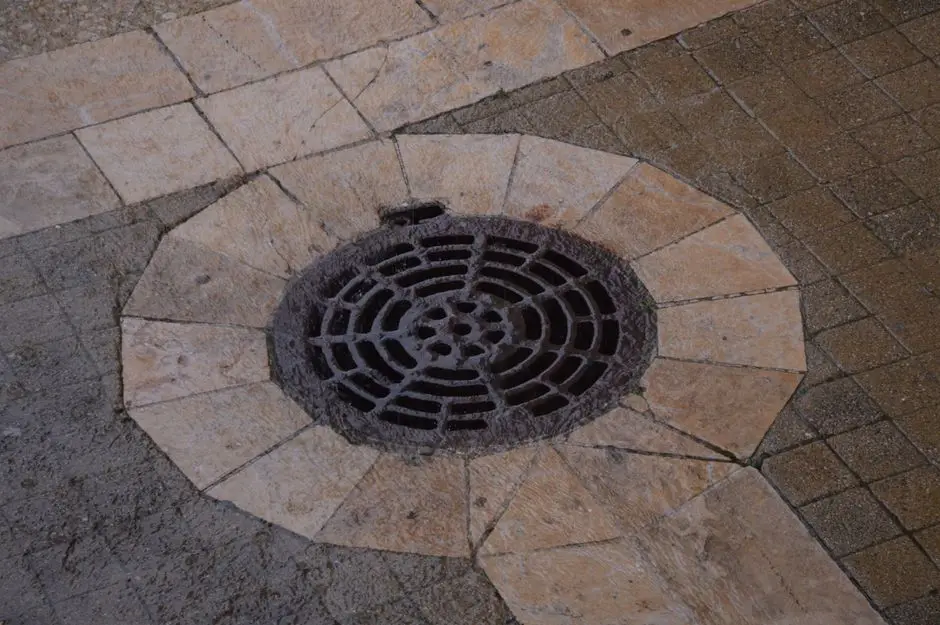
Water gets into your Arkansas crawl space during spring rains because the soil around your foundation becomes saturated faster than it can drain, and hydrostatic pressure pushes that water through foundation walls, vents, and the soil floor. The fix is almost never one thing - it is a combination of moving surface water away, managing groundwater, and sealing the space itself. This guide walks through the specific steps that work in Arkansas, from grading and gutters to French drains and encapsulation, plus the mistakes that make flooding worse.
We are AR Water Remover Pros, and we handle Water Removal in Arkansas every week during spring storm season. Here is what we see, what we fix, and what you can do yourself before you call anyone.
Why Arkansas spring rains flood crawl spaces so fast
Arkansas spring rains flood crawl spaces so fast because the state averages 4 to 6 inches of rain in April alone, and much of that falls in short, intense bursts that overwhelm the soil's ability to absorb it. The water has to go somewhere. It follows the path of least resistance - and that path is often your foundation.
Three things make Arkansas different from drier states:
- Clay-heavy soil. Much of central and eastern Arkansas sits on clay that absorbs water slowly. Once it is saturated, it stops taking in water entirely.
- Spring storm patterns. Arkansas gets gully-washers - 2 inches in an hour is common. That volume hits your yard faster than any drainage system can move it.
- Older housing stock. Thousands of homes built before 1980 have crawl spaces with no vapor barrier, no drainage, and foundation vents that let water blow straight in during a storm.
When the ground around your foundation is saturated, water pressure - hydrostatic pressure - builds against the foundation walls. That pressure pushes water through any crack, any gap, any porous block. It also wicks up through the soil floor of the crawl space itself. You are not imagining it. The water is coming in from below and from the sides.
How do I keep water out of my Arkansas crawl space in spring?
You keep water out of your Arkansas crawl space in spring by managing water in three zones: the roof, the yard, and the foundation itself. Roof water goes into gutters and away from the house. Yard water gets graded and drained away from the foundation. Foundation water gets blocked with a vapor barrier and, if needed, a drainage system.
Here is the order we work in, because the cheap fixes come first:
- Clean gutters and extend downspouts. A clogged gutter dumps hundreds of gallons right at your foundation. Downspouts should discharge 6 to 10 feet from the wall.
- Regrade the soil. The ground should slope away from the foundation at roughly 6 inches over the first 10 feet. If it slopes toward the house, you are funneling water into the crawl space.
- Fix the vapor barrier. A 6-mil or thicker polyethylene barrier over the crawl space floor stops ground moisture from rising. Overlap seams 12 inches and seal them.
- Add drainage if needed. If water still comes in after the first three steps, you need a French drain or sump system.
- Encapsulate. Full encapsulation seals the vents, walls, and floor. It is the permanent fix for a chronically wet crawl space.
Most Arkansas homes we inspect need steps 1 through 3 before anything else. They are inexpensive and they solve the majority of spring flooding.
Grading, gutters, and downspouts: the cheap fixes that work
Grading, gutters, and downspouts work because they stop water before it reaches the foundation. If you do nothing else this spring, do these three things.
Gutters and downspouts
Clean your gutters in late March, before the spring rains hit. A single clogged downspout can dump 500 gallons of water against your foundation during a two-inch rain. Extend every downspout at least 6 feet from the house - 10 feet is better. Use a splash block or a buried drain line to carry it farther.
Grading
Walk your foundation line and look for low spots. If the soil has settled and now slopes toward the house, add fill dirt and pack it so the surface slopes away at about 6 inches per 10 feet. Do not pile dirt above the siding or brick ledge - that creates a termite bridge and can rot the sill plate.
Foundation vents
Standard foundation vents let air in and out. During a hard, wind-driven rain, they also let water in. If your vents are at or below grade, raise them or install vent covers that block rain but still allow airflow. If you plan to encapsulate, the vents get sealed permanently and that problem goes away.
These three fixes cost a few hundred dollars in materials and a weekend of work. They are the highest-return steps you can take.
Arkansas crawl space drainage: French drains, swales, and sump pits
Arkansas crawl space drainage works by intercepting groundwater before it reaches the foundation and moving it to a low point away from the house. If grading and gutters are not enough, you need one of these systems.
French drains
A French drain is a gravel-filled trench with a perforated pipe at the bottom. It runs along the outside of the foundation, collects groundwater, and carries it downhill or to a dry well. In Arkansas clay soil, we size the trench 12 to 18 inches wide and 18 to 24 inches deep, line it with filter fabric, and use 4-inch perforated PVC. Expect to pay $1,500 to $4,000 for a typical residential install in 2026, depending on length and access.
Swales
A swale is a shallow, grassy ditch that redirects surface water around the house. They work well on sloped lots where water runs toward the foundation from uphill. A swale costs less than a French drain but needs to be graded correctly or it just becomes a wet spot.
Sump pits and pumps
If water is already under the crawl space floor, a sump pit and pump is the answer. We dig a 24-inch-deep pit at the low point, line it, and set a cast-iron or thermoplastic pump that discharges 10 to 15 feet from the foundation. A quality sump pump runs $300 to $800 installed, and a battery backup adds $200 to $500. Replace the pump every 7 to 10 years - they fail, and they usually fail during the storm that matters most.
If your sump pump quits during a storm, that is a different problem. We handle Sump Pump Failure Water Removal in Arkansas and can get the water out the same day.
For homeowners in the central part of the state, we also see a lot of this in older neighborhoods. If you are dealing with a wet crawl space and you are in the area, our team provides Water Removal in Little Rock and can assess your drainage at the same time.
Does crawl space encapsulation help in Arkansas?
Crawl space encapsulation helps in Arkansas more than in almost any other state, because our humidity and rainfall make vented crawl spaces a losing battle. Encapsulation seals the crawl space from the ground and outside air, which stops both groundwater vapor and humid air from entering.
Here is what a proper encapsulation includes:
- Vapor barrier on the floor. 10-mil or 12-mil polyethylene, overlapped and sealed, run up the walls 6 to 12 inches.
- Wall liner. Rigid foam board or a heavy liner attached to the foundation walls.
- Sealed vents. Foundation vents are closed and insulated.
- Dehumidifier. A crawl space dehumidifier keeps humidity below 55 percent year-round.
- Drainage underneath. If groundwater is present, a sump or French drain goes in first, under the liner.
Typical 2026 pricing for full encapsulation in Arkansas runs $4,000 to $12,000 depending on square footage, ceiling height, and whether drainage is included. It is not cheap, but it is the last time you deal with a wet crawl space. It also lowers your cooling costs in summer, because your AC is not fighting humid air rising from below.
If you already have standing water, encapsulation is not the first step. We handle Crawl Space Water Removal in Arkansas to dry the space out before any liner goes down. Laying a barrier over wet ground traps moisture and creates a worse problem.
Common mistakes that make crawl space flooding worse
Common mistakes make crawl space flooding worse by trapping water, redirecting it to the wrong place, or hiding the problem until it causes structural damage. Here are the ones we see most often.
- Sealing the crawl space before it is dry. If you install a vapor barrier over wet soil or a wet floor, you trap moisture and create a mold farm. Dry it first.
- Running downspouts into a buried line that is clogged or crushed. The water has nowhere to go but back to the foundation. Test every buried line with a hose before spring.
- Grading soil up over the siding or brick ledge. This hides the foundation and invites termites and rot. Keep the soil 4 to 6 inches below the siding.
- Ignoring a musty smell. That smell is mold and mildew. By the time you smell it in the living space, the crawl space has been wet for a while.
- Using a shop vac to remove standing water and calling it done. A shop vac gets the visible water. It does not dry the framing, the insulation, or the subfloor. Mold starts in 24 to 48 hours.
- Skipping the sump pump test. Pour a bucket of water into the pit twice a year. If the pump does not kick on and drain it, fix it before the next storm.
One more: do not assume a new house is immune. We see brand-new construction in Arkansas with grading that slopes toward the foundation and downspouts that dump at the wall. Builders do not always get it right.
When to call a professional
Call a professional when you have standing water in the crawl space, when the space stays damp for more than a few days after rain, or when you see mold, sagging floors, or a musty odor inside the house. Those are signs the problem is bigger than a weekend fix.
We handle the water side of this. Our team extracts standing water, dries the framing and subfloor with commercial air movers and dehumidifiers, and treats for mold if needed. We also install sump pumps and drainage, and we can refer you to a trusted encapsulation contractor if that is the right next step.
If you are in the Fayetteville area and dealing with a wet crawl space, we provide Water Removal in Fayetteville and the surrounding communities. Same process, same equipment, same day response when we can.
One call is usually all it takes to know whether you are looking at a $300 fix or a $6,000 one. We would rather tell you it is the cheap fix.
Frequently Asked Questions
How do I keep water out of my Arkansas crawl space in spring?
Clean gutters, extend downspouts 6 to 10 feet from the foundation, regrade soil to slope away at 6 inches per 10 feet, and install a 6-mil or thicker vapor barrier on the crawl space floor. If water still enters, add a French drain or sump pump. These steps handle most Arkansas spring flooding.
What causes crawl space flooding in Arkansas spring?
Saturated clay soil, intense spring storms, and hydrostatic pressure pushing water through foundation walls and the soil floor. Clogged gutters, downspouts that discharge at the wall, and grading that slopes toward the house make it worse. Older homes with vented crawl spaces and no vapor barrier flood first.
Does crawl space encapsulation help in Arkansas?
Yes. Encapsulation seals the crawl space from ground moisture and humid outside air, which is the main source of crawl space dampness in Arkansas. It typically costs $4,000 to $12,000 in 2026 and includes a vapor barrier, wall liner, sealed vents, and a dehumidifier. Drainage goes in first if groundwater is present.
How much does crawl space waterproofing in Arkansas cost?
Basic waterproofing - vapor barrier, grading, gutter fixes - runs $500 to $2,500. French drains add $1,500 to $4,000. Sump pump installation is $300 to $800, plus $200 to $500 for a battery backup. Full encapsulation is $4,000 to $12,000. Prices depend on square footage and access.
Can I just let the crawl space dry out on its own?
No. Arkansas humidity means a wet crawl space stays wet. Mold can start within 24 to 48 hours, and wood framing that stays damp loses strength over time. If you have standing water or persistent dampness, it needs to be extracted and dried with commercial equipment.
Get help with Water Removal in Arkansas
If your crawl space is wet and you want it dry before the next round of spring storms, call AR Water Remover Pros. We extract the water, dry the space, and tell you exactly what it will take to keep it dry.
Call (833) 640-1438 for same-day service across Arkansas.