How Arkansas storm season affects your home's water removal needs
Arkansas storm season drives heavy rain, flash floods, and power outages that overwhelm sump pumps and saturate foundations. Here's how to protect your home.
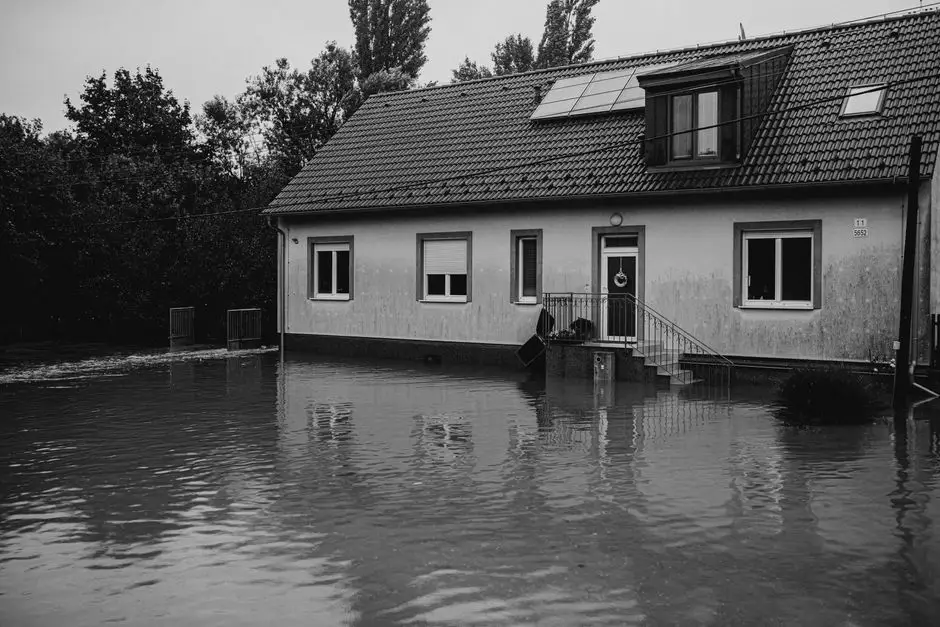
Arkansas storm season affects your home's water removal needs by delivering 50 to 60 inches of rain annually, with spring and fall bringing the heaviest downpours that overwhelm sump pumps, saturate crawl spaces, and push water through foundations. The result is that water removal in Arkansas isn't a one-time emergency fix - it's a seasonal maintenance reality that demands preparation before the first storm hits and fast action when it does.
We've pulled together what we see on job sites across the state, from Little Rock to Fayetteville, so you know exactly what you're up against and how to keep your home dry.
Why Arkansas storm season creates unique water removal demands
Arkansas storm season water removal needs are shaped by the state's position between the Gulf of Mexico and the Ozark Mountains, a geography that funnels moisture north and dumps it fast. The National Weather Service reports that Arkansas averages 50 to 60 inches of precipitation each year, but that rain doesn't fall evenly. A single spring system can drop 4 to 6 inches in 24 hours, and the ground - already saturated from previous storms - can't absorb it.
That's when water starts moving toward your house. It seeps through foundation cracks, pools in low-lying yards, and backs up through floor drains. In older neighborhoods with clay-heavy soil, drainage is especially slow, and we see the same pattern repeat every year.
If you're dealing with the aftermath of a storm right now, professional Storm Water Removal in Arkansas is the fastest way to get standing water out before it causes structural damage or mold growth.
How does Arkansas storm season affect my home?
Arkansas storm season affects your home by forcing water into places it was never meant to go: basements, crawl spaces, wall cavities, and under flooring. The damage isn't just about wet carpet. Water sitting for 24 to 48 hours creates ideal conditions for mold, warps hardwood, and compromises your home's structural integrity.
Here's what we see most often after a major storm:
- Basement flooding: Hydrostatic pressure pushes water through concrete walls and floor seams. Even a finished basement with a sump pump can flood if the pump loses power during an outage.
- Crawl space saturation: Water pools under the house, raising humidity levels to 80% or higher. That moisture rises into your living space, causing musty odors and higher energy bills.
- Roof and attic leaks: High winds drive rain under shingles. You might not notice until a ceiling stain appears weeks later.
- Foundation cracks: Repeated freeze-thaw cycles and saturated soil widen existing cracks, letting more water in with each storm.
We've worked in homes across Little Rock water removal Arkansas where a single storm dumped 5 inches in three hours, and the basement took on 18 inches of water before the homeowner could even find a wet vac. That's not unusual for this state.
Spring storms: the start of Arkansas's wettest months
Spring in Arkansas means severe thunderstorms, hail, and tornadoes - and all of them bring water. March through May is when we get the most calls for storm water removal in Arkansas, because the ground is already saturated from winter rains and every new storm has nowhere to drain.
April 2025 was one of the wettest on record in parts of the state, with some areas seeing 10 inches of rain in a single week. When that happens, creeks overflow, storm drains back up, and water finds the lowest point - often your basement or crawl space.
What to watch for in spring:
- Water pooling within 10 feet of your foundation
- Sump pump running every few minutes
- Damp spots on basement walls or floors
- Musty smells in crawl spaces or lower levels
If you catch these early, you can often prevent a full flood. If you don't, you're looking at water extraction and drying that can cost $2,500 to $7,000 or more depending on the size of the affected area.
Summer thunderstorms and flash flooding
Summer storms in Arkansas are shorter but more intense. A typical July thunderstorm can drop 2 inches of rain in 30 minutes, overwhelming gutters and sending water straight down your foundation walls. Flash flooding is a real risk, especially in urban areas where pavement prevents absorption.
We see a lot of sump pump failures in summer because pumps that ran constantly in spring are now worn out or clogged with debris. If your pump is more than 7 to 10 years old, it's on borrowed time. A failed sump pump during a summer storm can leave you with 6 inches of water in your basement before you even wake up.
For homes in low-lying areas, we recommend a battery backup system and an annual pump inspection. It's a $150 to $300 investment that can save you thousands.
Fall and winter: when storm season doesn't end
Fall in Arkansas brings heavy rain events that rival spring, and winter adds a new threat: frozen pipes. When temperatures drop below 20°F - which happens regularly in northern Arkansas - water in exposed pipes freezes, expands, and bursts. The resulting leak can send hundreds of gallons into your home before you notice.
We handle Burst Pipe Water Removal in Arkansas every winter, often in homes where the homeowner was away for the weekend. A single burst pipe can release 4 to 8 gallons per minute, which means a 48-hour absence can lead to 5,000 gallons of water inside your house.
Winter storm preparedness water tips:
- Insulate pipes in unheated areas (attics, crawl spaces, garages)
- Let faucets drip during hard freezes
- Disconnect garden hoses and shut off outdoor spigots
- Keep your thermostat at 55°F or higher, even when away
If a pipe does burst, shut off the main water valve immediately and call for professional extraction. The faster you act, the less damage you'll face.
How do I prevent storm water damage in Arkansas?
You prevent storm water damage in Arkansas by managing water before it reaches your foundation. That means grading, gutters, drainage, and a working sump pump - four things that work together to keep your home dry.
Here's our checklist for storm season home protection in Arkansas:
- Grade your yard away from the house. Soil should slope at least 6 inches down over the first 10 feet from your foundation.
- Clean gutters and downspouts twice a year. Clogged gutters send water straight to your basement. Extend downspouts at least 5 feet from the foundation.
- Install a sump pump with battery backup. Power outages are common in Arkansas storms, and a backup keeps your pump running when you need it most.
- Seal foundation cracks. Even hairline cracks let in water under pressure. A $500 to $1,500 epoxy injection can save you a $10,000 repair.
- Check your crawl space vapor barrier. A torn or missing barrier lets ground moisture rise into your home. Replace it every 5 to 7 years.
- Keep storm drains clear. If you live in a neighborhood with curb drains, make sure debris isn't blocking them.
If you're in an area prone to flooding, like parts of Pine Bluff water removal Arkansas, consider a French drain or exterior waterproofing membrane. These aren't cheap - $3,000 to $8,000 - but they're far less than repeated flood cleanup.
Common mistakes homeowners make after a storm
The biggest mistake we see is waiting. Homeowners often think water will dry on its own, or they try to shop-vac a flooded basement and call it done. It doesn't work that way. Water wicks into drywall, insulation, and framing, and if you don't extract and dry it within 48 hours, mold starts growing.
Other mistakes:
- Not documenting the damage. Take photos and video before you move anything. Your insurance adjuster will need them.
- Walking through standing water. It can be electrically charged if outlets or appliances are submerged. Shut off power first.
- Using a household fan to dry a flooded room. It circulates mold spores. You need professional air movers and dehumidifiers.
- Throwing away wet items too soon. Some can be saved with proper drying. Others need to go, but document them first.
- Ignoring the crawl space. If water got into your crawl space, it needs extraction and drying just like a basement. Otherwise you'll be dealing with rot and mold for years.
We've seen homeowners spend $1,200 on a rental dehumidifier and fans, only to call us two weeks later when mold appeared. Professional Crawl Space Water Removal in Arkansas includes moisture meters, thermal imaging, and commercial drying equipment that gets the job done in 3 to 5 days.
When to call a professional
Call a professional when water has been standing for more than 24 hours, when it's contaminated (sewage or floodwater), or when it's in a space you can't easily dry - like a crawl space or wall cavity. We handle Flood Water Removal in Arkansas with truck-mounted extraction units that pull hundreds of gallons per minute, then set up drying equipment calibrated to your home's humidity and temperature.
Our team at AR Water Remover Pros responds to storm emergencies across the state. We extract the water, dry the structure, and verify moisture levels before we leave. If you're not sure whether you need help, call us. We'll tell you straight.
Frequently Asked Questions
How does Arkansas storm season affect my home?
Arkansas storm season brings 50 to 60 inches of annual rain, with spring and fall storms dropping 4 to 6 inches in 24 hours. That overwhelms drainage, saturates soil, and forces water into basements, crawl spaces, and foundations. The result is flooding, mold risk, and structural damage if water isn't removed within 48 hours.
How do I prevent storm water damage in Arkansas?
Grade your yard to slope away from the foundation, clean gutters twice a year, install a sump pump with battery backup, seal foundation cracks, and maintain your crawl space vapor barrier. These steps cost $500 to $3,000 total but prevent $10,000+ in flood damage.
Who removes storm water in Arkansas?
AR Water Remover Pros removes storm water in Arkansas. We handle extraction, drying, and moisture verification for basements, crawl spaces, and living areas. Call (833) 640-1438 for emergency service.
How long does storm water removal take?
Extraction takes 2 to 6 hours for a typical basement. Drying takes 3 to 5 days with commercial equipment. Total time depends on how much water entered and how long it sat before we arrived.
Does homeowners insurance cover storm water damage in Arkansas?
Most policies cover sudden storm water damage, like a burst pipe or roof leak. Flood damage from rising water usually requires separate flood insurance. Document everything and call your adjuster before you start cleanup.
Get help with Water Removal in Arkansas
If storm water has entered your home, don't wait. We're available 24/7 for emergency water removal across Arkansas. Call AR Water Remover Pros at (833) 640-1438 and we'll be on our way.