Frozen pipe water damage in Arkansas: how to prevent it this winter
Arkansas winters can freeze pipes fast. Learn how to prevent frozen pipe water damage, what to do if pipes freeze, and when to call a pro for water removal.
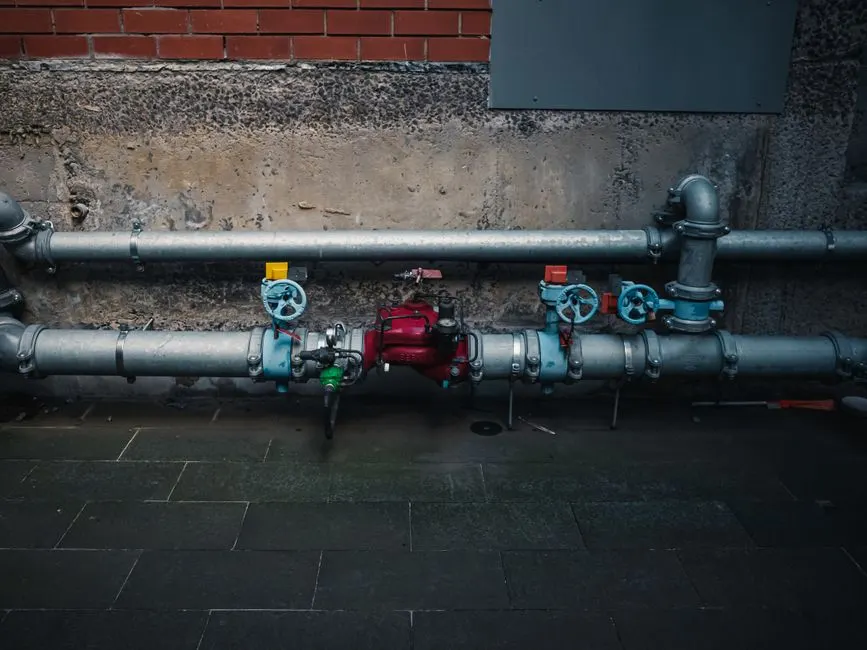
Frozen pipe water damage prevention in Arkansas starts with three things: keeping pipes above 32°F, sealing cold-air leaks, and knowing exactly where your main shut-off valve is. If you do those three things before the first hard freeze, you avoid the burst-pipe scenario that floods thousands of Arkansas homes every winter. This guide covers why Arkansas pipes freeze so easily, how to insulate and protect them, what to do if a pipe freezes anyway, and when to call a professional for water removal.
Why Arkansas winters are hard on pipes
Arkansas sits in a freeze-thaw zone that is brutal on plumbing. We get single-digit nights in Fayetteville and Fort Smith, then 60-degree afternoons in Little Rock three days later. That swing matters because pipes expand and contract with every temperature change, and the joints - not the straight runs - are where failures start.
Most Arkansas homes are built on slab or crawl space foundations. Crawl space pipes sit in unconditioned air that drops to outdoor temperature within hours. Slab pipes are buried shallow, often less than 12 inches deep, which is not enough to protect against a 10°F night. Add older housing stock in places like Pine Bluff and El Dorado, where galvanized steel and early copper lines have already been stressed for decades, and you have the recipe for a burst.
The National Weather Service reports that Arkansas averages 40 to 60 nights below freezing each winter, with the northern tier seeing closer to 80. That is not Minnesota. But it is enough to freeze an uninsulated pipe in a vented crawl space in a single night.
How to prevent frozen pipes in Arkansas winter
Prevent frozen pipes Arkansas winter by focusing on the pipes most exposed to cold air: those in crawl spaces, attics, garages, and along exterior walls. Here is the order we recommend, from cheapest to most involved.
1. Insulate pipes for Arkansas winter
Foam pipe sleeves cost about $1 to $3 per linear foot at any Arkansas hardware store. For a typical crawl space with 60 feet of exposed pipe, you are looking at $80 to $150 in materials and an afternoon of work. Focus on the first 10 feet from where the pipe enters the crawl space and any run that sits within 12 inches of a foundation vent.
For pipes that have frozen before, add heat tape. A 30-foot self-regulating heat cable runs $40 to $80 and plugs into a standard outlet. It draws about 3 to 5 watts per foot, so a 30-foot run costs roughly $0.10 to $0.15 per day to operate at Arkansas electric rates.
2. Seal cold-air leaks
Walk your foundation with a flashlight on a cold morning. If you can feel air moving through a vent, a sill plate gap, or a dryer vent penetration, cold air is hitting a pipe. Foam board cut to fit foundation vents costs $15 to $25 per vent and keeps crawl space temperatures 8 to 12 degrees warmer.
Do not seal every vent. Arkansas crawl spaces need some cross-ventilation to manage summer humidity. Close the upwind vents and leave the downwind ones open, or install adjustable vents you can close in December and open in March.
3. Let faucets drip
On nights forecast below 20°F, let the faucets on exterior walls drip at a pencil-lead stream. That keeps water moving and relieves pressure between the ice blockage and the closed valve. A dripping faucet uses about 2 gallons per hour - roughly $0.01 of water - and it is the cheapest insurance you can buy.
4. Open cabinet doors
Kitchen and bathroom sinks on exterior walls trap cold air inside the cabinet. Open the doors during cold snaps so warm room air reaches the supply lines. If you have a space heater, point it at the open cabinet from 3 feet away - never inside the cabinet.
5. Disconnect hoses and shut off exterior spigots
Frozen hose bibs crack the pipe inside the wall, and you will not know it until the first thaw. Disconnect every hose by Thanksgiving, shut off the interior valve feeding each spigot, and open the exterior spigot to drain the line.
What temperature do pipes freeze in Arkansas?
Water freezes at 32°F, but pipes in Arkansas homes typically freeze when the outdoor temperature drops below 20°F for four or more consecutive hours. The pipe itself does not have to hit 32°F - the water inside just has to sit still long enough to form ice. Wind makes it worse. A 15 mph wind at 25°F pulls heat out of an exposed pipe at the same rate as still air at 15°F.
That is why the dangerous nights in Arkansas are not the single coldest night of the year. They are the second and third nights of a cold snap, when the ground has lost its stored heat and the crawl space has fully chilled. If the forecast shows three nights in the low 20s, treat it like a freeze event.
What to do if pipes freeze in Arkansas
If you turn on a faucet and nothing comes out, or you hear a faint hissing or bubbling sound in the wall, you likely have a frozen pipe. Here is what to do, in order.
- Shut off the main water valve. This is the single most important step. If the pipe has already cracked, shutting off the water limits the flood to what is already in the line.
- Open the nearest faucet. Leave it open so melting water has somewhere to go and pressure can relieve.
- Locate the freeze. Feel along the pipe for the coldest section. Frost on the pipe is a giveaway. Check crawl spaces, exterior walls, and anywhere the pipe runs near a foundation vent.
- Thaw gently. Use a hair dryer, a space heater, or warm towels. Start at the faucet end and work back toward the freeze. Never use an open flame, and never pour boiling water on a pipe - the thermal shock can crack it.
- Watch for leaks. Once water flows again, check every joint and fitting for drips. A pipe that froze and thawed without bursting is lucky, not safe.
If you see water pooling in the crawl space or a ceiling stain spreading, stop and call us. Our team handles Frozen Pipe Water Removal in Arkansas and can extract standing water, dry the structure, and document the damage for your insurance claim.
Common mistakes that lead to frozen pipe water damage
The most expensive frozen pipe calls we run in Arkansas trace back to the same handful of mistakes. Avoid these and you cut your risk dramatically.
- Leaving the house for a week with the heat off. Set the thermostat to 55°F minimum, even if you are gone. The cost of heating an empty house for a week is far less than a $4,000 to $8,000 water damage repair.
- Closing every foundation vent in October. Trapped moisture in an Arkansas crawl space leads to mold by spring. Close upwind vents only, or use adjustable vents.
- Using a space heater inside a cabinet. This is a fire waiting to happen. Heat the room, not the cabinet.
- Ignoring a slow drain. A partially blocked drain freezes faster because water sits in the trap. If your kitchen sink drains slowly in November, snake it before December.
- Assuming new construction is safe. PEX pipe resists bursting better than copper, but the fittings still fail. We see frozen PEX lines in new builds in Benton and Bryant every winter.
If you have already had a freeze event and need help drying out, our Crawl Space Water Removal in Arkansas service is built for exactly this scenario - we pull the standing water, set drying equipment, and treat for mold risk before it becomes a bigger problem.
When to call a professional
Call a professional when water is actively running, when the freeze is in a wall or under a slab, or when you cannot find the shut-off valve. Those three situations turn a $300 repair into a $10,000 insurance claim fast.
We handle the water side of frozen pipe damage across Arkansas. Our technicians extract standing water, dry crawl spaces and wall cavities, and work directly with your insurance adjuster. We also handle Burst Pipe Water Removal in Arkansas when a frozen line has already split. If you are in the Little Rock metro, we can typically be on-site within 60 to 90 minutes of your call. For homeowners in Water Removal in Little Rock, we know the older neighborhoods where slab pipes and crawl space runs are most vulnerable.
One call to AR Water Remover Pros gets a crew that has dried hundreds of Arkansas homes after winter freezes. We give you a flat upfront price before we start, and we do not leave until the moisture readings are back to normal.
Frequently Asked Questions
How do I prevent frozen pipes in Arkansas?
Insulate exposed pipes in crawl spaces and attics, seal foundation vents on the upwind side, let faucets drip on nights below 20°F, and keep your thermostat at 55°F or higher when you travel. Disconnect hoses and drain exterior spigots by Thanksgiving.
What temperature do pipes freeze in Arkansas?
Pipes typically freeze when outdoor temperatures stay below 20°F for four or more hours. Wind accelerates freezing. The second and third nights of a cold snap are the most dangerous because the ground and crawl space have lost stored heat.
Who fixes frozen pipe water damage in Arkansas?
AR Water Remover Pros handles frozen pipe water damage across Arkansas, including water extraction, structural drying, and insurance documentation. Call (833) 640-1438 for same-day service in the Little Rock metro and surrounding areas.
How much does frozen pipe water removal cost in Arkansas?
Typical 2026 pricing for frozen pipe water removal in Arkansas runs $1,200 to $3,500 for a crawl space or single-room extraction, and $4,000 to $8,000 for a whole-floor flood with structural drying. Most homeowners insurance policies cover sudden burst-pipe damage.
Can I thaw a frozen pipe myself?
Yes, if the pipe is accessible and you can see it. Use a hair dryer, space heater, or warm towels, and work from the faucet toward the freeze. Never use a torch or boiling water. If the pipe is inside a wall or under a slab, call a professional.
Get help with Water Removal in Arkansas
If a frozen pipe has already burst and you are looking at standing water in your crawl space or on your floor, call us now. We handle emergency water removal across Arkansas, including Water Removal in Arkansas for frozen pipe bursts, storm flooding, and sewage backups.
Call AR Water Remover Pros at (833) 640-1438. We answer 24/7, and we can be on-site the same day.